
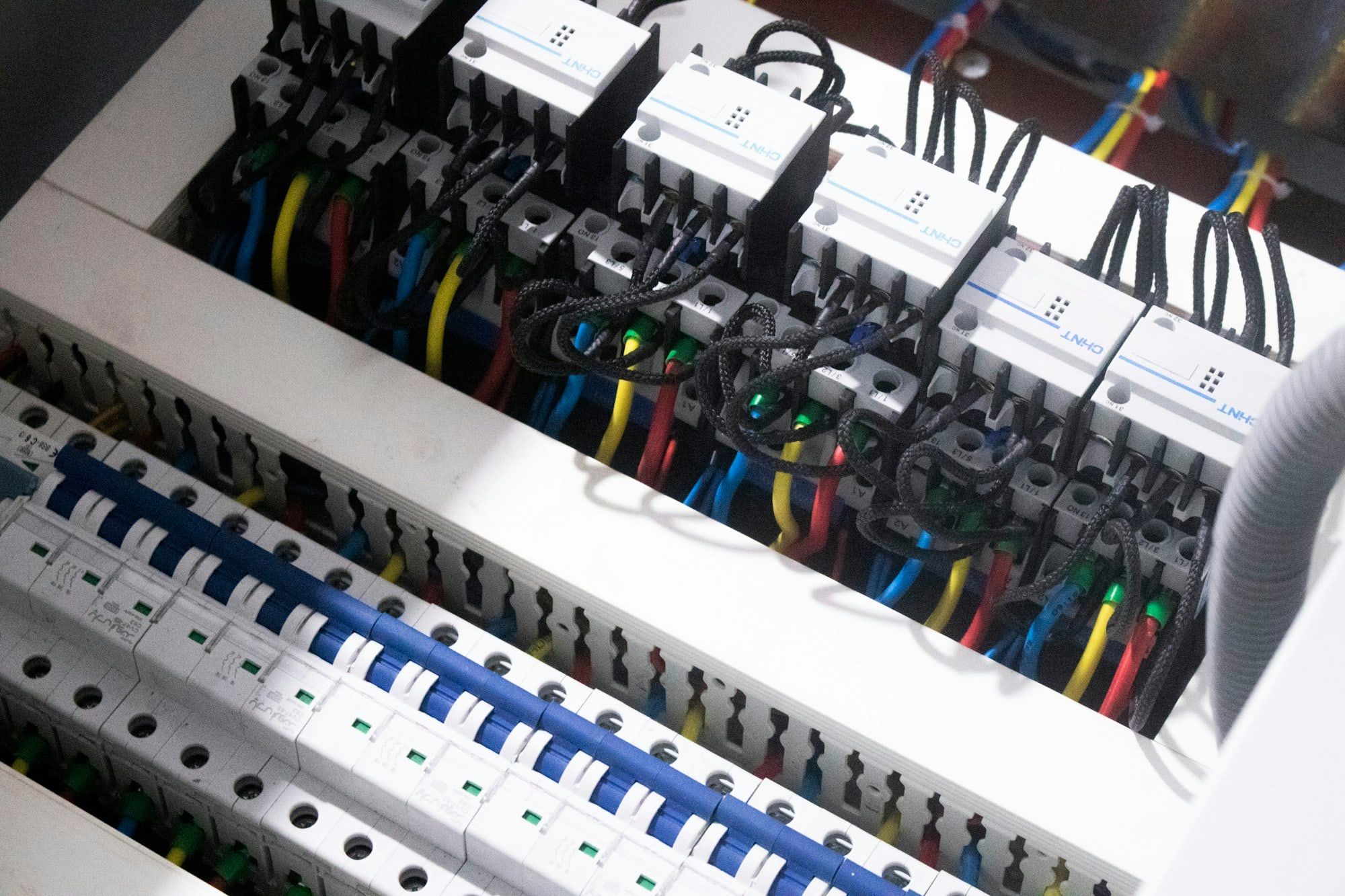


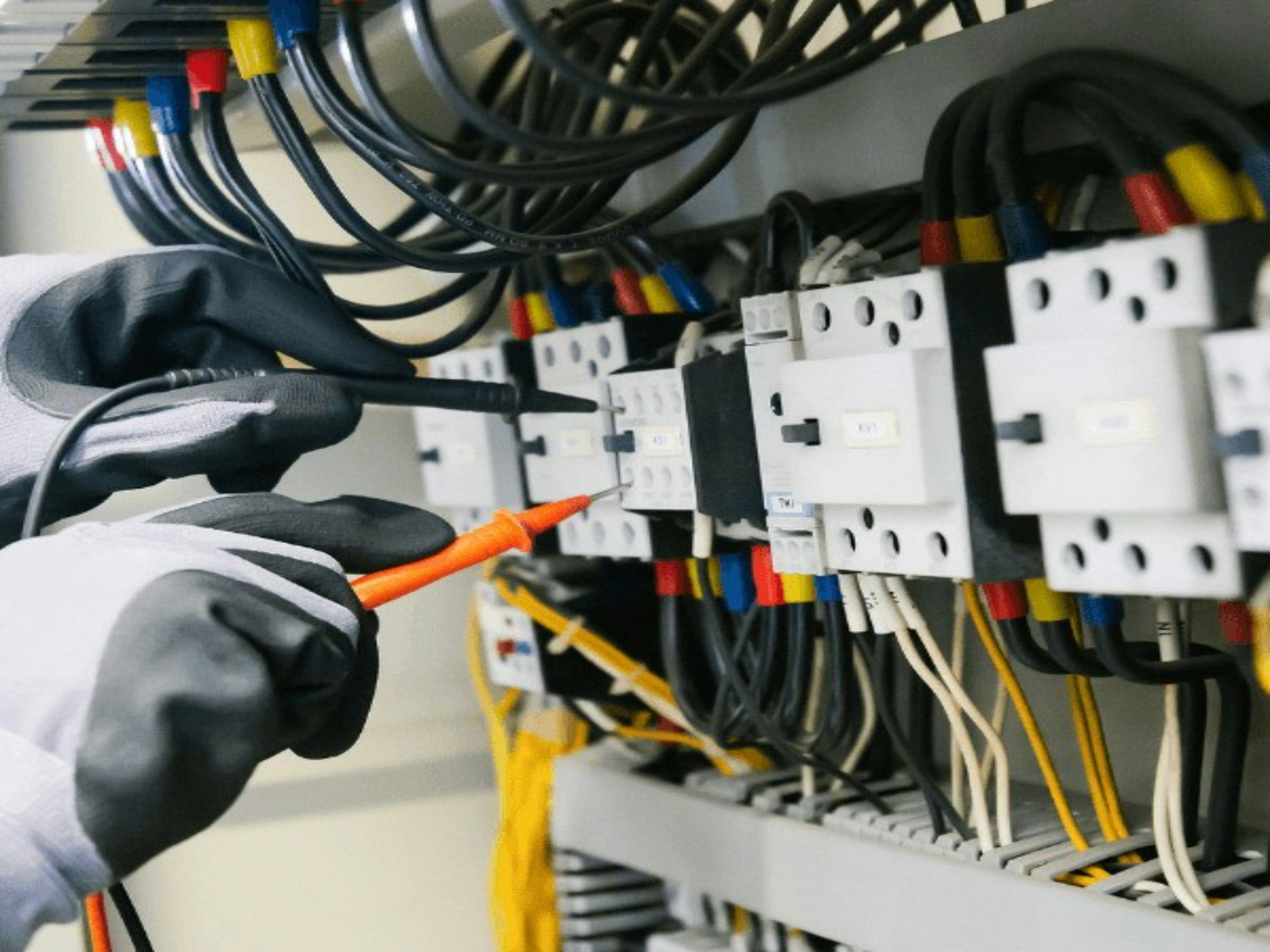
An old fuse box with screw-in fuses (proppskåp) is not illegal, and you do not have to replace it. The Swedish National Electrical Safety Board, Elsäkerhetsverket, writes in its answer about when it is time to replace the consumer unit and the wiring that an electrical installation must meet the requirements that applied when it was installed, and that it does not have to be replaced just because it is old. There are still real reasons to replace it. They have to do with the residual current device (RCD), the number of circuits and the condition of the consumer unit, not with the screw-in fuses as such.
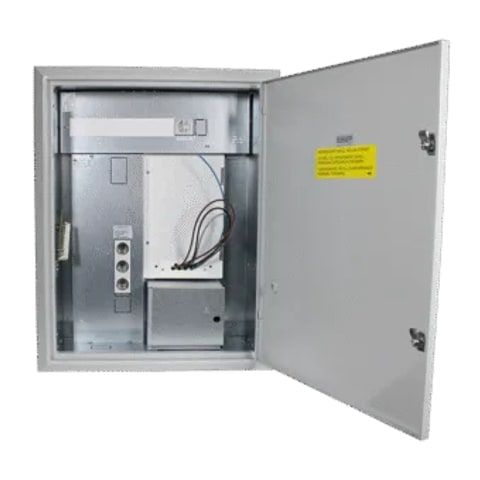
The consumer unit is the cabinet that holds the fuses. If it has screw-in fuses, it is often called a fuse box. A circuit is the sockets and lights that share one fuse.
The difference between screw-in fuses and circuit breakers
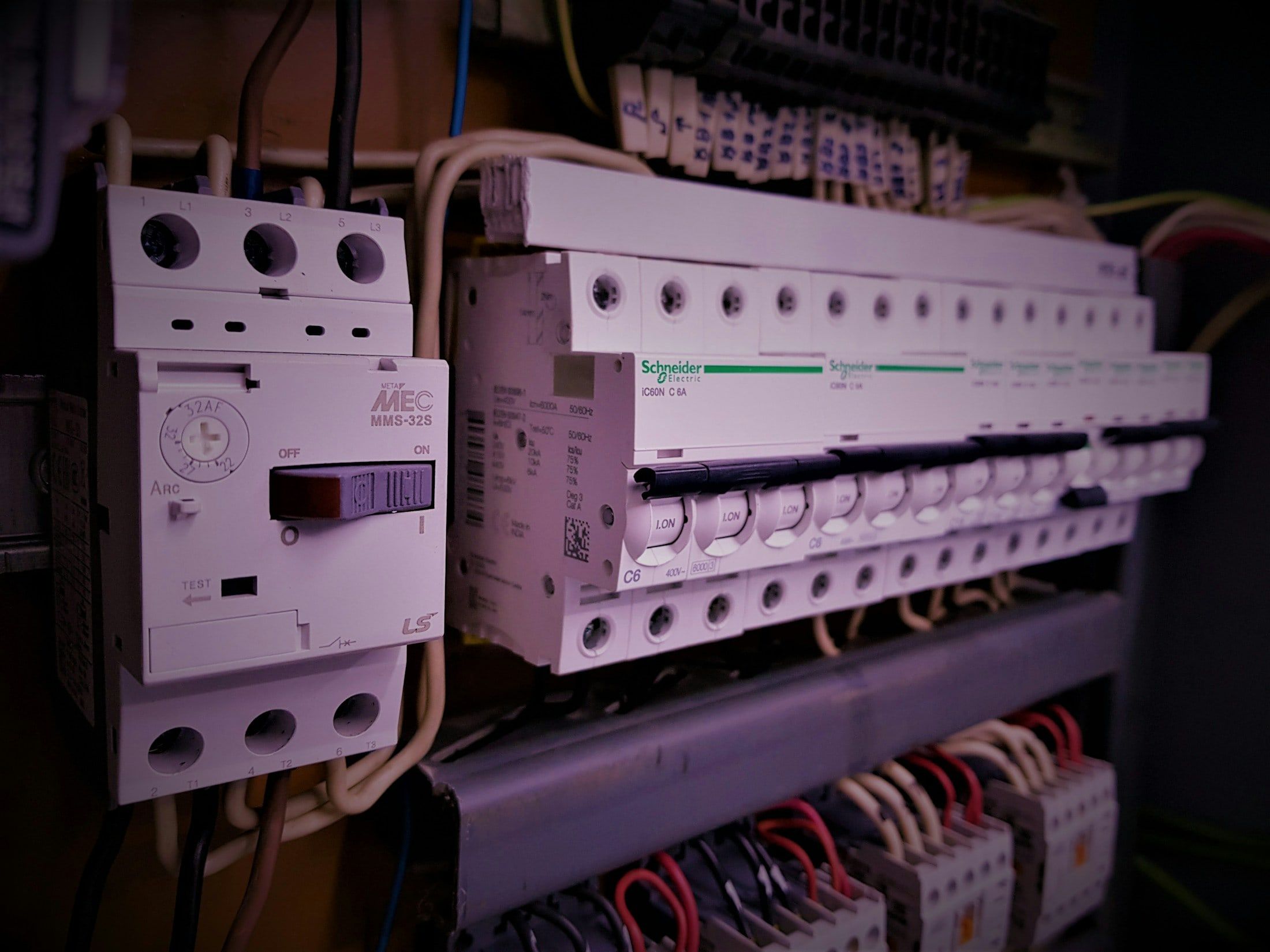
Screw-in fuses and circuit breakers do the same job. On its page about the consumer unit, Elsäkerhetsverket describes two types of unit, and writes of both that the fuses trip on overload or when an electrical fault occurs. The difference is what happens next.
| Feature | Screw-in fuse | Circuit breaker |
|---|---|---|
| When it blows or trips | Melts and is used up | Switches off with a lever |
| What you do | Screw in a new fuse with the same rated current | Switch the lever back on when the fault has been put right |
| What you need to keep at home | Spare fuses in the right sizes | Nothing |
| How you see which one has gone | The coloured disc in the middle of the fuse has come loose | The lever is down |
| May you do it yourself | Yes | Yes |
A circuit breaker is also called a miniature circuit breaker (MCB), in Swedish dvärgbrytare, and Elsäkerhetsverket uses the word minibrytare. The colour of a screw-in fuse shows its size: green for 6 A, red for 10 A and grey for 16 A.
We have not found anything from Elsäkerhetsverket that says screw-in fuses give poorer protection than circuit breakers. What separates an old consumer unit from a new one is usually what sits around the fuses.
Five real reasons to replace it
You want an RCD
An RCD cuts the power quickly when current leaks to earth, and protects against both electrical accidents and electrical fires. The requirement came for new homes on 1 January 2000, and historically an RCD has not been a requirement. Many older consumer units do not have one. There is no requirement to fit one afterwards, but Elsäkerhetsverket recommends it.
You do not have to replace the whole consumer unit to get one. The RCD can often be fitted in an enclosure of its own next to the fuse box. With us it costs SEK 1,286, or SEK 900 with the Swedish ROT tax deduction for labour on your home (ROT-avdrag). What it does and how you test it is in the article on residual current devices.
You need more circuits
An EV charger (wallbox), an induction hob, a heat pump or a new kitchen usually gets circuits of its own. If the fuse box is full, there is nowhere to connect them. Anything that is added must follow today’s rules, even if the rest of the installation may stay as it is.
The consumer unit is worn or damaged
Elsäkerhetsverket’s checklist for the electrical installation mentions fuse carriers (the screw caps that hold the fuses) that are too hot to touch, discolouration and cracks. Things like that are reasons to have an electrical installation company (elinstallationsföretag) look at the consumer unit, whatever kind of fuses it has. There are more signs in the article on warning signs of electrical faults.
The electrics are being redone anyway
Elsäkerhetsverket writes that a detached house built in 1950 probably has wiring and other electrical equipment that ought to be replaced, and recommends earthing the installation at the same time. A study that the authority carried out in 2019 shows that houses built before 1970 carry higher risks. If you are renovating a house like that, the consumer unit is a natural part of the job. There is more about the order of work on the page about electrics when renovating.
You want to be rid of the screw-in fuses
That is a reason of convenience, and a perfectly reasonable one. You do not have to keep spare fuses at home, and you see straight away which circuit has tripped.
Three reasons that do not hold up
- “Fuse boxes are banned.” That is not true. No rule prohibits screw-in fuses.
- “Old electrics have to be replaced.” Elsäkerhetsverket writes that there is no general requirement in the electrical safety legislation for installations to be rebuilt because of their age.
- “The fuses keep blowing.” That is down to overload or a fault, not to the fact that they are screw-in fuses. A new consumer unit with the same circuits and the same load does not solve it. Start instead with the article on when the fuse keeps tripping.
What applies when the consumer unit is replaced
- Who may do it. Replacing a consumer unit is electrical installation work. You may replace a screw-in fuse and switch a circuit breaker back on, but nothing else in the consumer unit.
- RCD. Elsäkerhetsverket counts a straight replacement of a consumer unit as maintenance. In that case there is no requirement for an RCD, but the authority recommends that one is installed when the unit is replaced, because it improves safety for a small additional cost.
- New circuits and sockets. What is added counts as an extension and must follow today’s rules.
- Circuit chart. At the consumer unit there must be an up-to-date list of what each fuse supplies.
- Tenant-owner flat (bostadsrätt). Normally you are responsible for the electrics from the flat’s consumer unit inwards, but the statutes (stadgar) of the tenant-owner association (bostadsrättsförening) decide. Check them first. There is more in the article on electrics in a tenant-owner flat.
What a new consumer unit costs
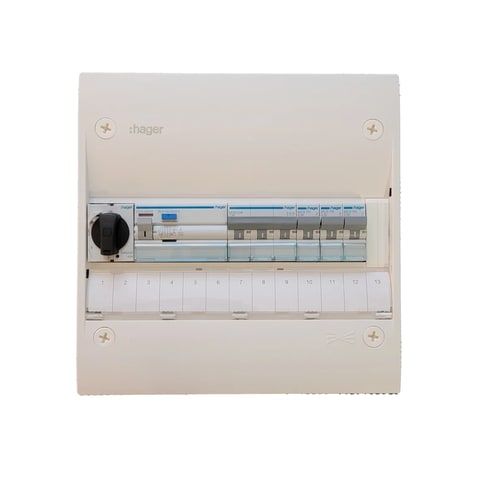
The prices below are our fixed prices. The figures in the name give the number of rows and the number of modules per row. A 1×13 consumer unit therefore has one row with room for 13 modules.
| Line in the price list | Price | With ROT |
|---|---|---|
| Consumer unit 1×13, Hager Gamma | SEK 5,810 | SEK 4,780 |
| Consumer unit 2×13, Hager Gamma | SEK 8,627 | SEK 7,079 |
| Consumer unit 3×13, Hager Gamma | SEK 10,689 | SEK 8,625 |
| RCD, 4-pole | SEK 961 | SEK 673 |
| Circuit breaker, 1-pole | SEK 148 | SEK 104 |
The prices include materials, installation and VAT. A travel charge of SEK 500 is added, and the prices apply to a standard installation. Faults in the existing installation that are discovered during the work are not included.
The Swedish Tax Agency, Skatteverket, lists installing and adding to consumer units among the work that qualifies for the ROT deduction. In 2026 the deduction is 30 per cent of the labour cost. Materials give no deduction, and in a tenant-owner flat the work must be done inside the flat and be your responsibility under the statutes. How to choose the size is covered in the article on what it costs to replace a consumer unit.
When to get in touch
Get in touch when the fuse box is full, when something in it is warm or discoloured, or when you want an RCD and wonder whether it is enough to add one. We will tell you which of the options suits your consumer unit. How a replacement is done is described on the page about replacing a consumer unit, and all the amounts are in the price list for consumer units.
Sources
- Elsäkerhetsverket – When is it time to replace the consumer unit and the wiring in an older property? (in Swedish)
- Elsäkerhetsverket – The consumer unit (in Swedish)
- Elsäkerhetsverket – Do I have to install an RCD when the consumer unit is replaced? (in Swedish)
- Elsäkerhetsverket – Is an RCD required when the consumer unit or final circuits are replaced? (in Swedish)
- Elsäkerhetsverket – Is there a law saying that the property owner must replace the electrics in my flat? (in Swedish)
- Elsäkerhetsverket – Checklist for checking an electrical installation (in Swedish)
- Elsäkerhetsverket – Buying a house and having its electrics inspected (in Swedish)
- Skatteverket – Does the work qualify for the ROT deduction? (in Swedish)