
In a tenant-owner flat (bostadsrätt), responsibility for the electrics is shared between you and the tenant-owner association (bostadsrättsförening). The line normally runs at the flat’s consumer unit: you are responsible for what lies inside it, the association for what comes before it and for the shared parts of the building. Where the line runs in your particular building is set out in the association’s statutes (stadgar).
What the Tenant-Ownership Act says
The basic rule is in chapter 7, section 12 of the Swedish Tenant-Ownership Act (bostadsrättslagen). The tenant-owner must keep the flat in good condition at their own expense, unless the statutes provide otherwise.
The same section has an exception that concerns electricity. The tenant-owner is not responsible for repairs to electrical cables if the association has provided the flat with the cables and they serve more than one flat. Cables that pass through your flat on their way to the neighbour are therefore the association’s business.
The association’s part is in chapter 7, section 4. The association must keep the flat, the building and the land in good condition, to the extent that the responsibility does not rest with the tenant-owner.
Where the line usually runs
The Act sets out the principle, but not the exact point. The Swedish National Electrical Safety Board, Elsäkerhetsverket, describes the usual arrangement on its page about responsibility for the electrics in a tenant-owner flat. The association is usually responsible for the fixed electrical installations in common areas, and its responsibility usually ends at the flat’s consumer unit. The authority adds: “This can, however, be regulated in another way through the association’s statutes.”
| Part of the electrical installation | Who is normally responsible |
|---|---|
| Installations in stairwells, basements, attic storage rooms and outdoors | The association |
| Cables that serve more than one flat | The association |
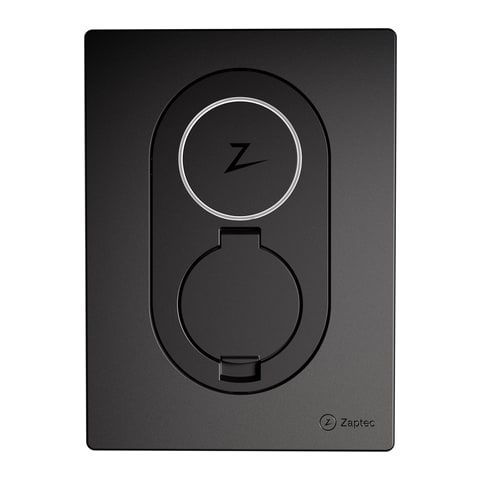
| The association’s engine heater posts and EV chargers (wallboxes) | The association |
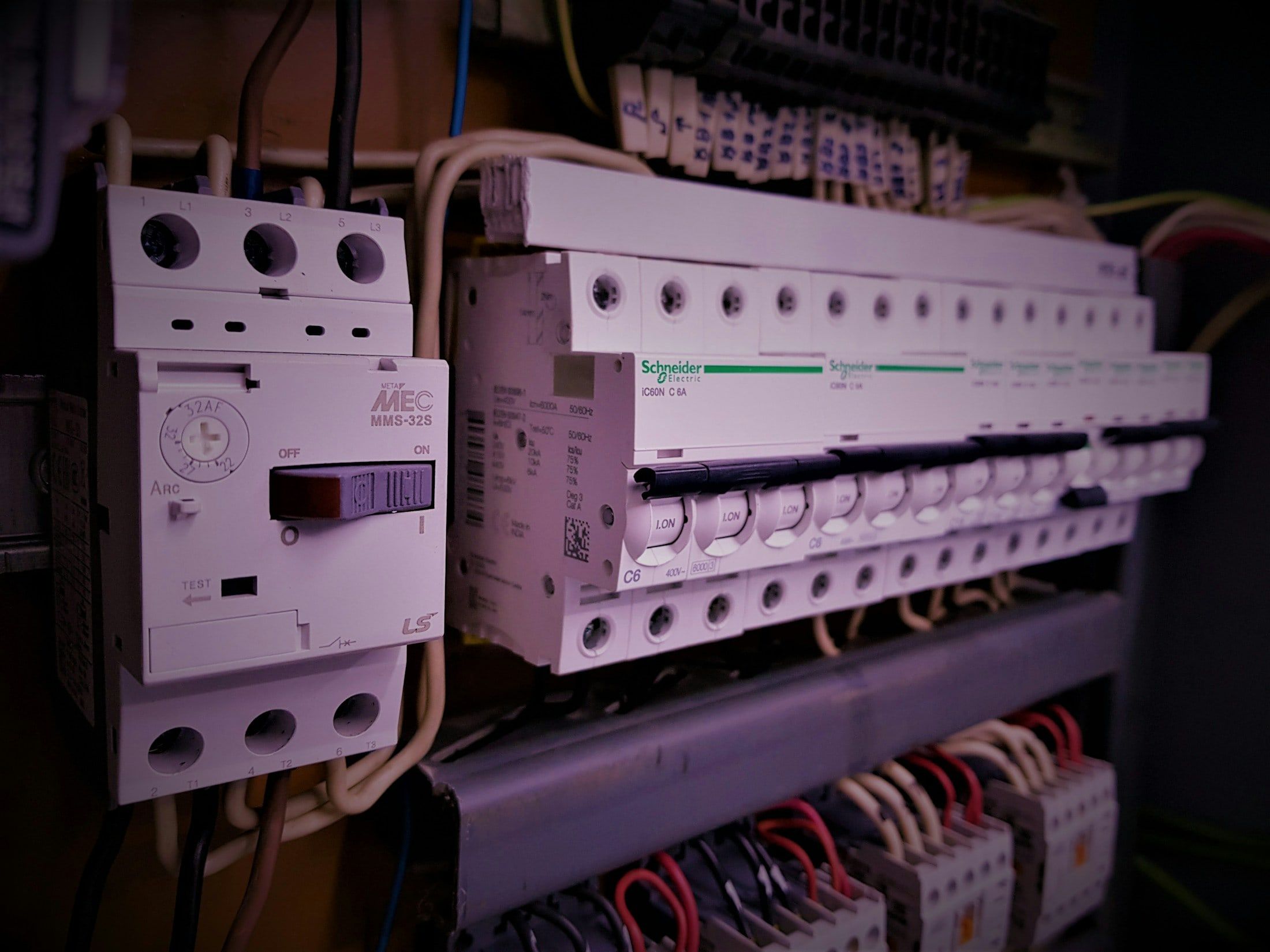
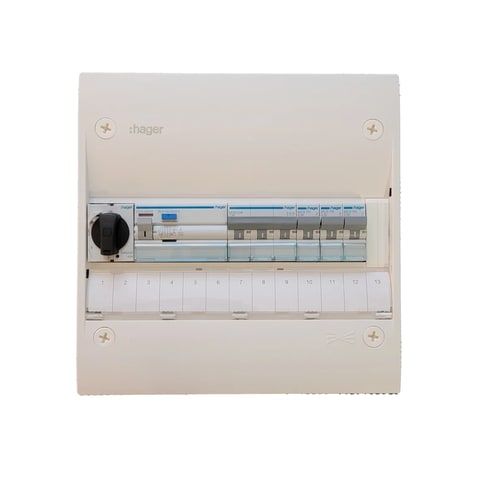
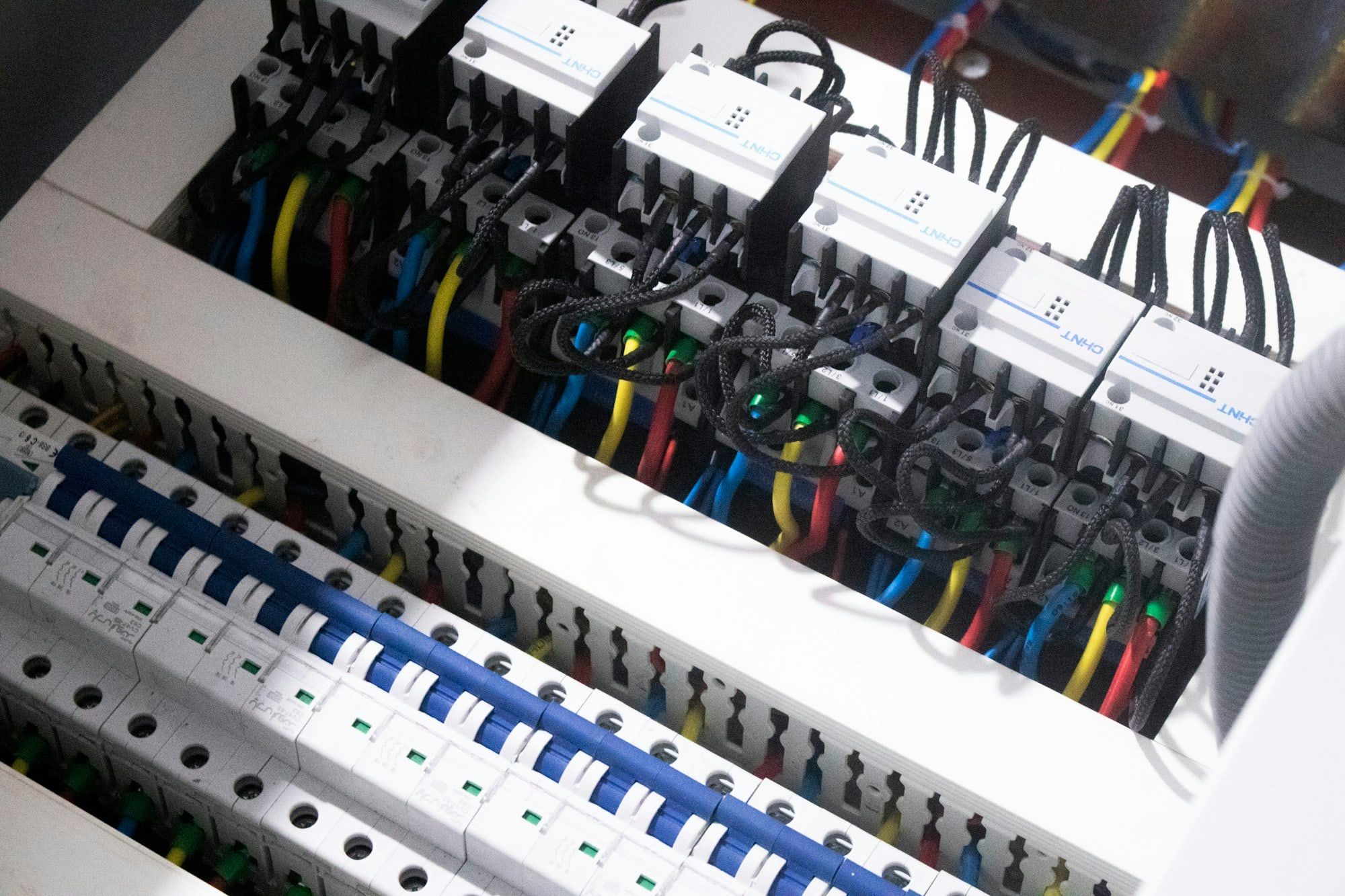
| The flat’s consumer unit | The line usually runs here. The statutes decide |
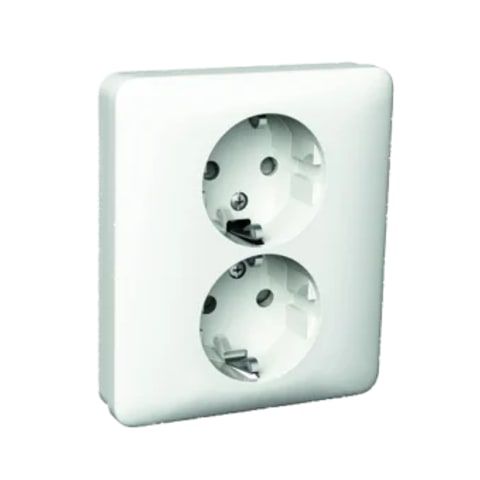
| Cables, sockets and switches in the flat | The tenant-owner |
| Cooker, fridge and freezer, dishwasher and washing machine | The tenant-owner |
The row about the consumer unit is the one that most often leads to discussion. Whether the consumer unit itself is yours or the association’s should be clear from the statutes. Only your own statutes can tell you what they say, so read them or ask the board.
When you need to ask the board
Under chapter 7, section 7 of the Tenant-Ownership Act you may not, without the board’s permission, carry out measures that include, among other things:
- installing or altering pipes for drainage, heating, gas or water
- installing or altering a ventilation device
- any other substantial alteration to the flat.
Electrical cables are not in the list. So it cannot be said that electrical work in a flat always requires permission. Three things still mean that you should check with the board before a major conversion:
- The statutes may set requirements that go further than the Act.
- An extensive conversion can count as a substantial alteration to the flat.
- The work may affect the association’s parts, for example the cables up to the flat’s consumer unit.
Ventilation is a case of its own. Fitting a fan where there has not been one before is the installation of a ventilation device, and that is stated explicitly in the section.
Your responsibility as holder of the installation
The Swedish Electrical Safety Act (elsäkerhetslagen) places the responsibility for safety on the holder of the installation (innehavare), the owner or user who is responsible for it. Elsäkerhetsverket writes that in a tenant-owner flat the holder can be you, the association or both. Each is responsible for their own part.
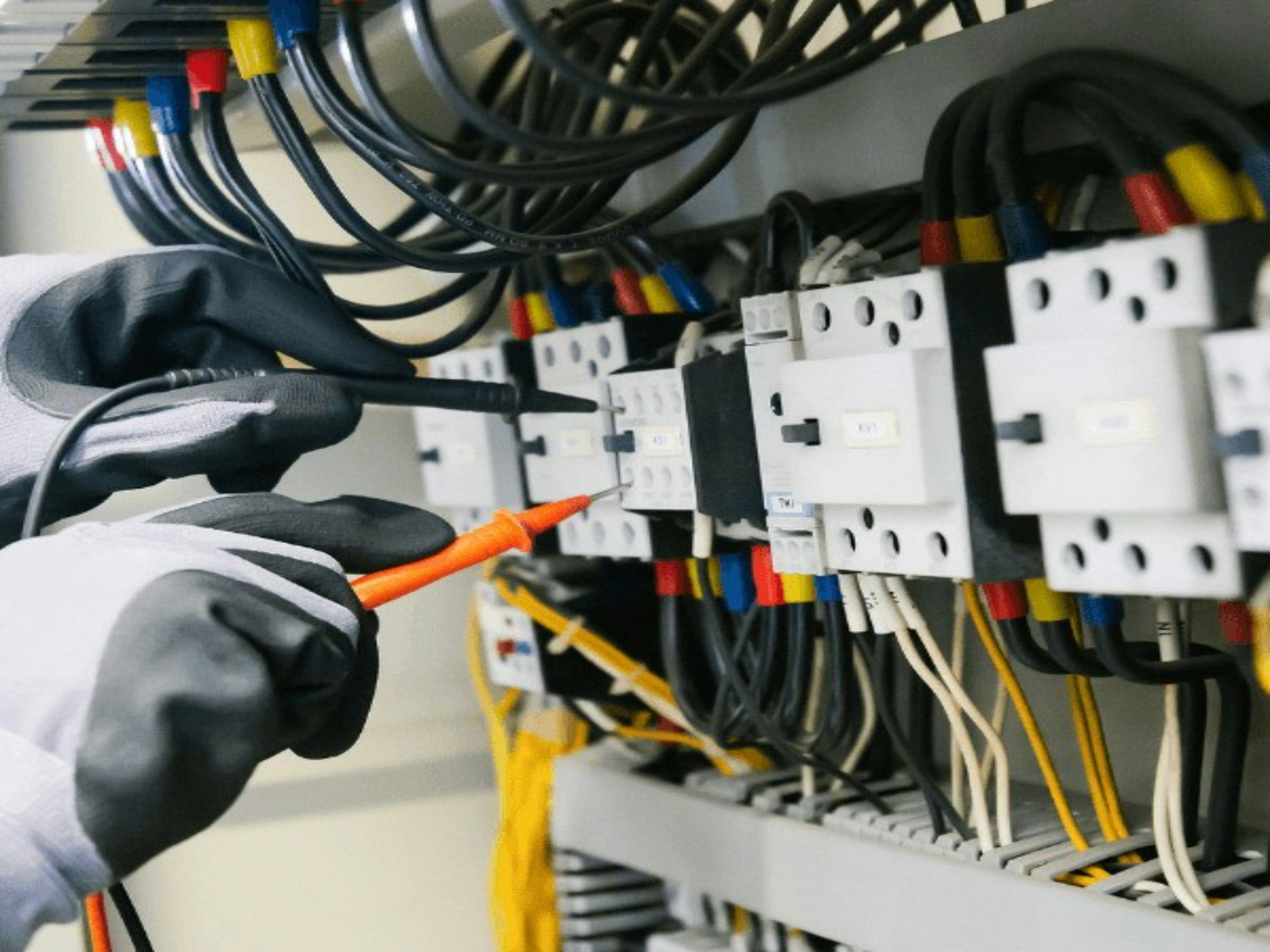
For you, this means that you must check the electrics in the flat continuously. You do not need to document how you do it, but Elsäkerhetsverket recommends going through them at least once a year. Look for cracked or discoloured sockets, feel that they are firmly fixed and test the residual current device (RCD), which cuts the power when current leaks to earth, if the flat has one. More signs to look out for are in the article on warning signs in your electrics.
The association must do the same with its parts, and it is also subject to the requirement for documented routines.
The law also has a rule for anyone who does not look after their part. If you neglect your responsibility so that someone else’s safety is put at risk, or so that there is a risk of extensive damage to someone else’s property, the association may, under chapter 7, section 12 a, remedy the defect at your expense. This requires that you have first been asked to do so and have not remedied the defect as soon as possible.
Older electrics in the flat
In an older flat the electrics can be as old as the building. That is not a fault in itself. Elsäkerhetsverket writes: “There is no general requirement in the electrical safety legislation for installations to be rebuilt because of age.”
This is worth knowing about an older flat:
- Unearthed sockets do not need to be replaced. Earthed and unearthed sockets must not, however, be mixed in the same room. The rules are in the article on unearthed sockets.
- There is no requirement to fit an RCD retrospectively, but Elsäkerhetsverket recommends it.
- What you rebuild must follow today’s rules. So if you redo the kitchen or the bathroom, new requirements apply to those parts.
The ROT deduction and charging
The Swedish ROT tax deduction for labour on your home (ROT-avdrag) has two conditions in a tenant-owner flat that are tied to the division of responsibility. According to the Swedish Tax Agency, Skatteverket, the work must be carried out “inside the home’s ceiling, walls and floor”, and it must concern measures that the tenant-owner is responsible for under the association’s statutes.
| Electrical work in a tenant-owner flat | ROT deduction according to Skatteverket |
|---|---|
| Installing and adding to a consumer unit in the flat | Yes |
| Running electrical cables from the consumer unit out into the home | Yes |
| Replacing and fitting sockets, installing recessed spotlights | Yes |
| Installing electricity outdoors or to a consumer unit outside the home | No |
| Installing a charge point for electric vehicles | No |
| Fault-finding alone | No |
In 2026 the deduction is 30 per cent of the labour cost, up to SEK 50,000 per person per year. Materials and travel give no deduction. The association cannot get ROT for its parts.
An electric car (EV) is charged outside the flat, in a car park or a garage, so charging is usually a matter for the association. An association can apply for the grant Ladda bilen (“charge the car”) from the Swedish Environmental Protection Agency, Naturvårdsverket, which gives up to 50 per cent of the cost and at most SEK 15,000 per charge point, as long as funding is available. How that works is described in the article on charging spaces in a tenant-owner association. If you have a space of your own that belongs to the flat, the Swedish tax reduction for green technology (grön teknik) may apply, if the agreement is entered into with you as tenant-owner and the installation goes with the flat when it is sold.
What to do before electrical work
- Read the statutes and see what they say about electrics, the consumer unit and cables.
- Ask the board if anything is unclear, and ask for the answer in writing.
- Check that the company is registered with Elsäkerhetsverket for the activity type “Bostäder” (dwellings). How to do that is described in the article on checking an electrical company.
- Agree on what documentation you will receive when the work is finished.
- Keep the documentation. It is good to have the day you sell.
When to get in touch
If you know that the work is on your side of the line, you can order it straight away. Smaller jobs such as replacing a socket or a switch have fixed prices, and a consumer unit in size 1×13, that is, one row with 13 modules, costs SEK 5,810 installed. With ROT that comes to SEK 4,780 if you are entitled to the deduction. Materials, installation and VAT are included, a travel charge of SEK 500 is added and the price applies to a standard installation. More sizes are listed under consumer units in the price list, and what we do in flats is on the page for flats and tenant-owner flats. If you sit on the board and need help with the association’s parts, go to the page for businesses and properties.
Sources
- The Swedish Tenant-Ownership Act, bostadsrättslagen (1991:614), chapter 7, sections 4, 7, 12 and 12 a (in Swedish)
- Elsäkerhetsverket – How to take your responsibility for the electrics in a tenant-owner flat (in Swedish)
- Elsäkerhetsverket – Responsibility for the electrical installation (in Swedish)
- Skatteverket – Does the work qualify for the ROT deduction? (in Swedish)
- Elsäkerhetsverket – Can a tenant-owner association be equated with a landlord? (in Swedish)