
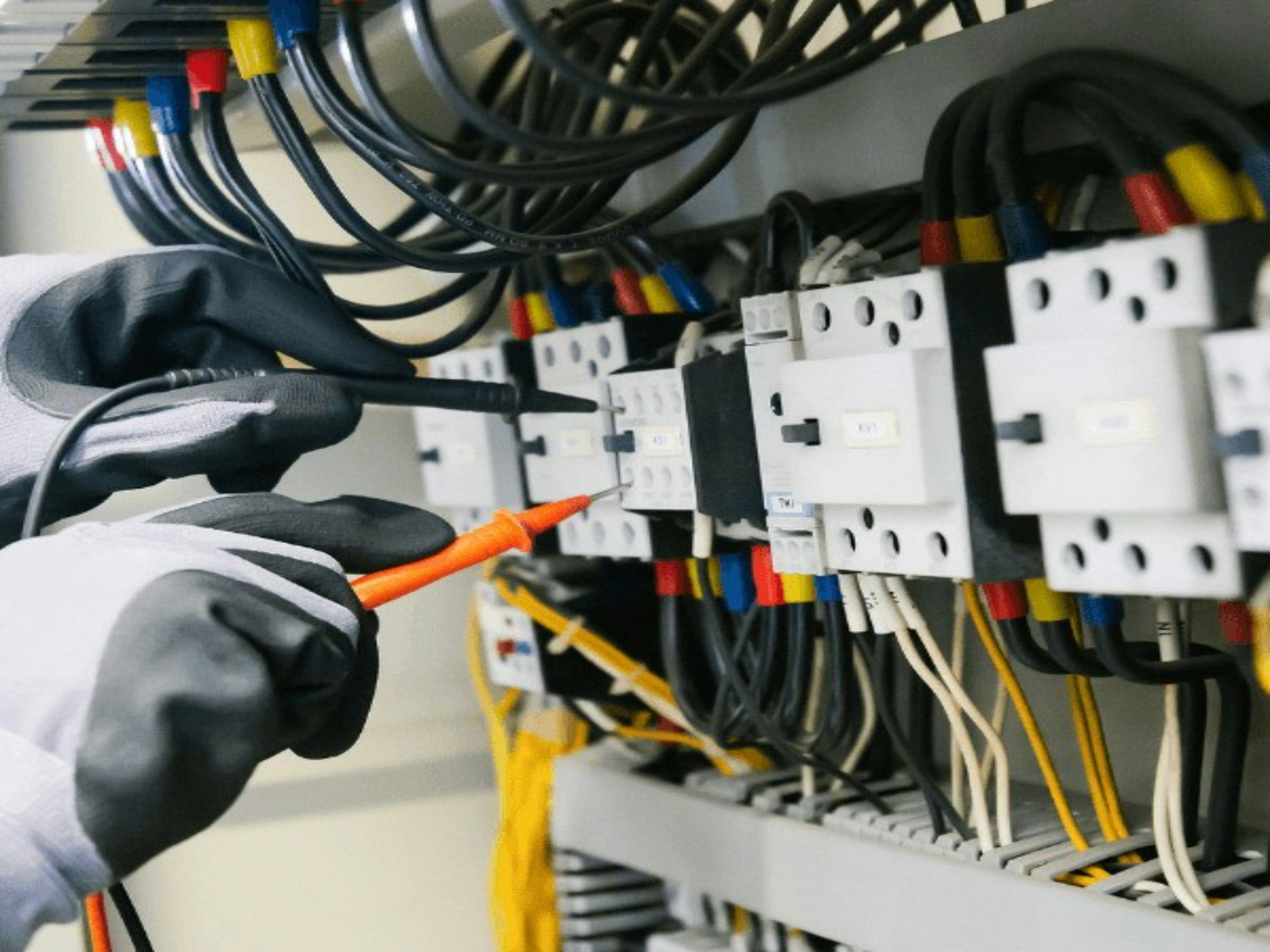
What counts as electrical installation
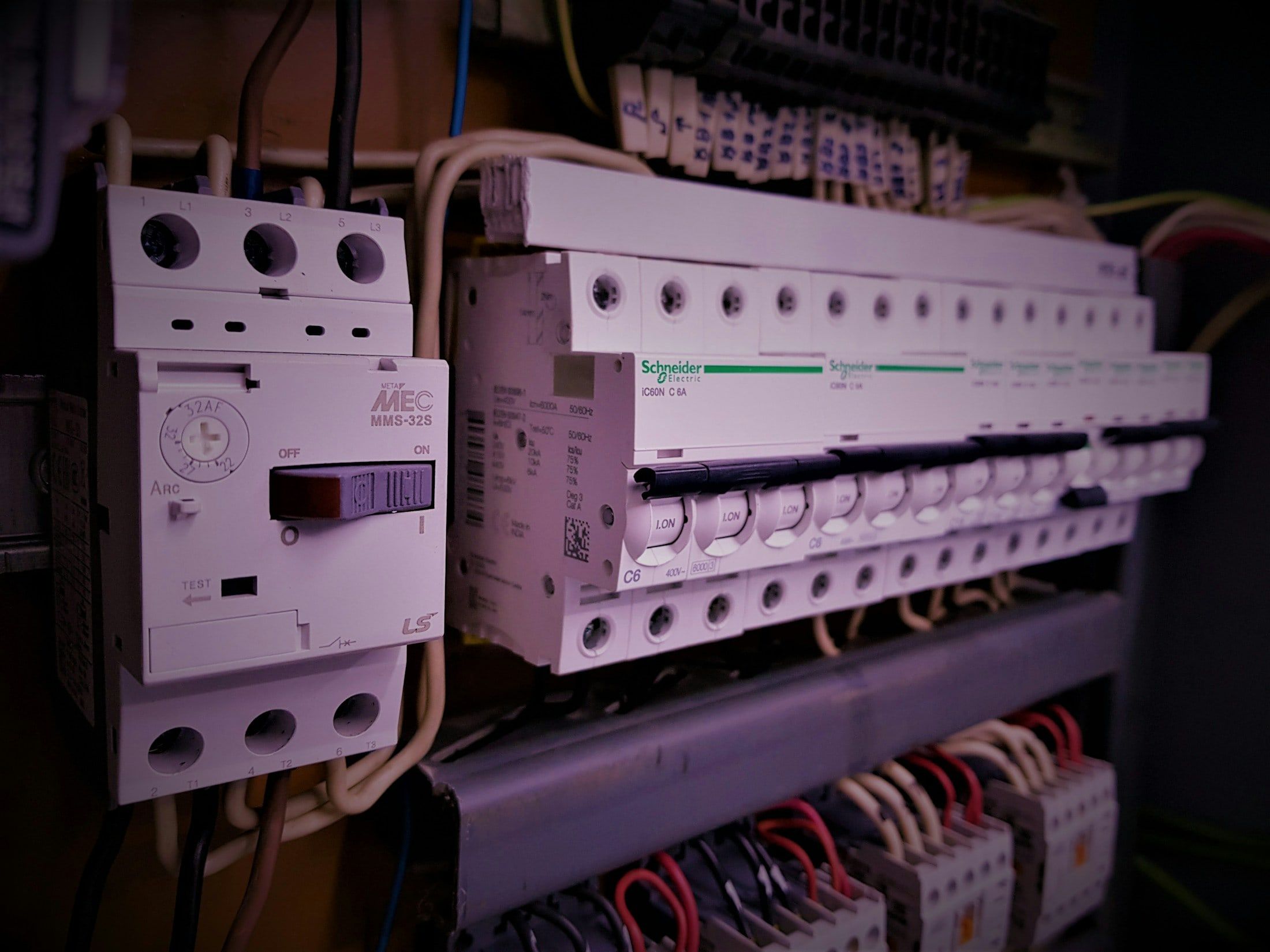
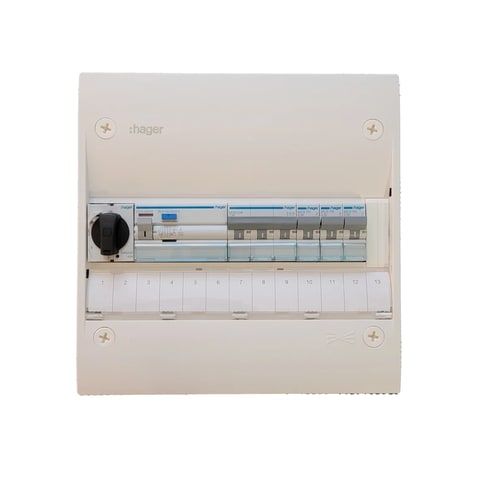
Electrical installation is all work on the fixed electrical installation up to and including the socket: cables, boxes, sockets, switches, lighting outlets (the plug-in outlets for light fittings) and the consumer unit. It also includes permanently connecting an appliance that has no plug. We do new installations, alterations and additions in detached houses, terraced houses, flats and premises.
It may be, for example:
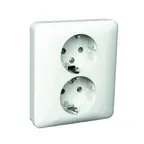
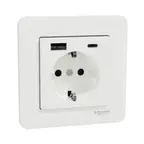
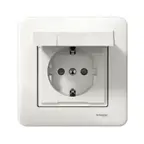
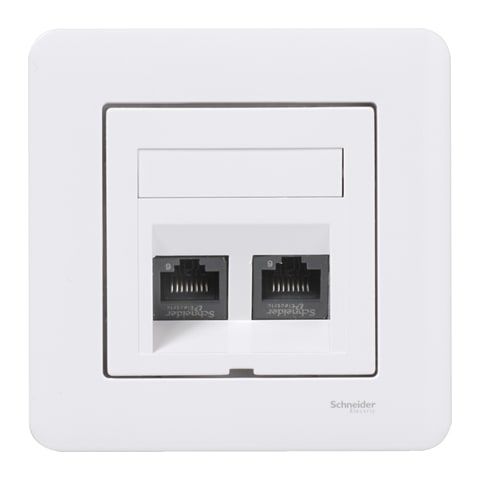
- new sockets where they are missing, flush-mounted or surface-mounted
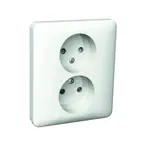
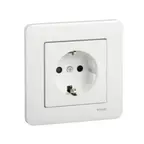
- changing from unearthed to earthed sockets
- new switches and two-way switching, where the same light is switched on from two places
- sockets for a washing machine and tumble dryer
- three-phase sockets of the CEE and Perilex types
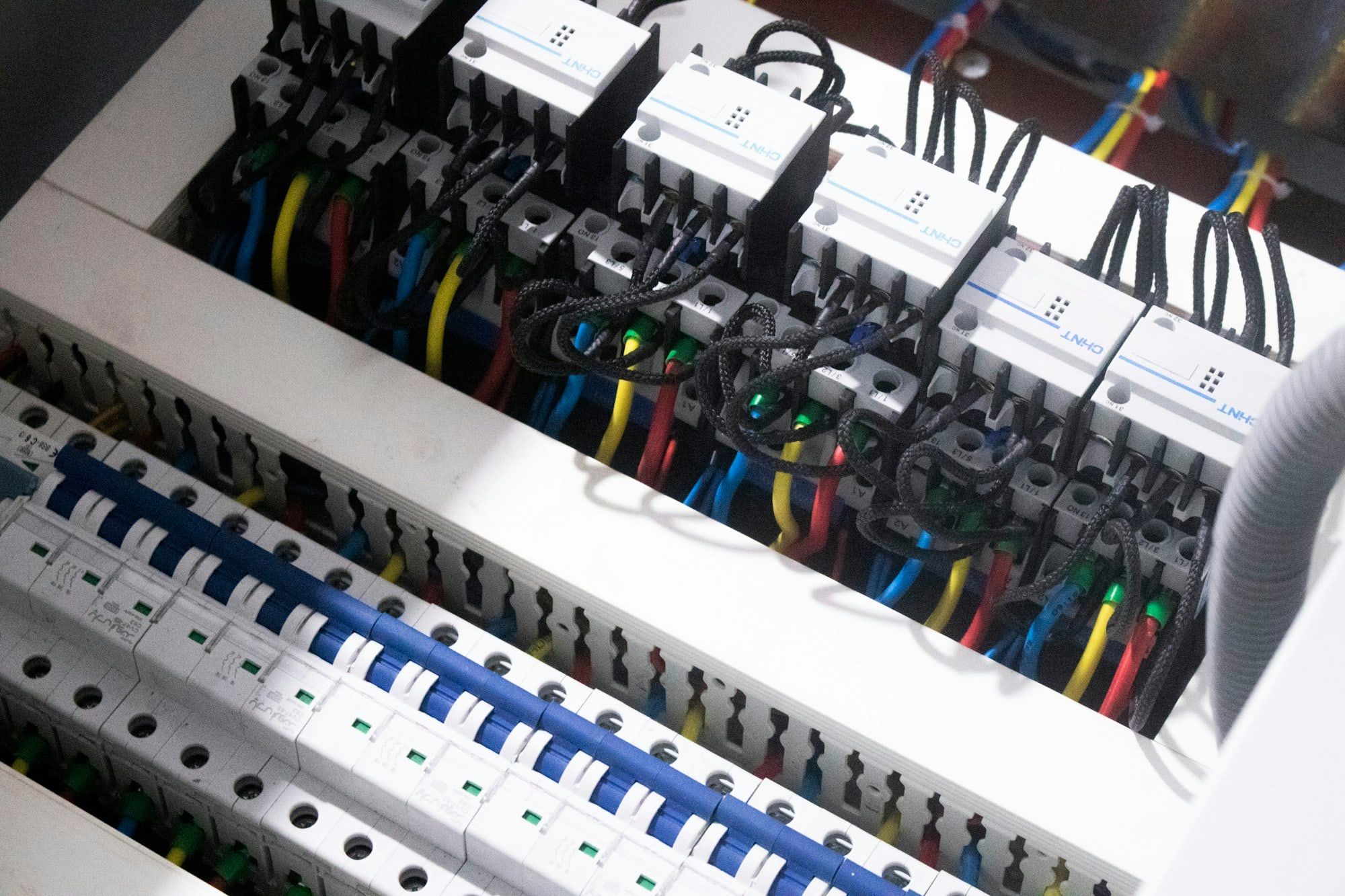
- new circuits from the consumer unit when the old ones are not enough.
A circuit is the sockets and lights that share one fuse. If there is too much on the same circuit the fuse trips, and more multi-way extension leads will not help. Then a new circuit is needed.
Larger jobs have their own pages: electrics when renovating, electrics in new builds and replacing the consumer unit.
What it costs to install a socket
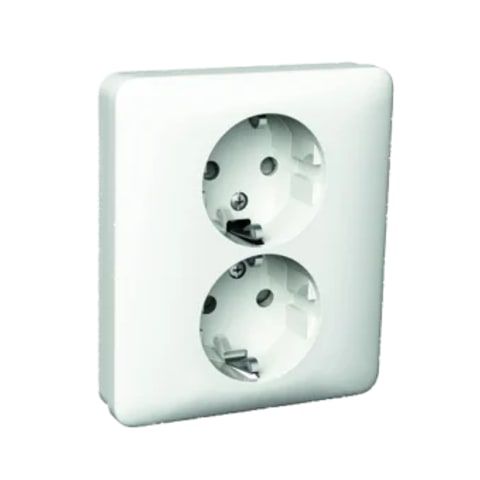
A new flush-mounted double socket costs SEK 1,720 installed, or SEK 1,333 with the Swedish ROT tax deduction for labour on your home (ROT-avdrag). The price includes the socket, up to 7 metres of cable, installation and 25 per cent VAT. A travel charge of SEK 500 is added.
The prices in the list apply to standard installations in an accessible place, where there is a cable route to use. Chasing, that is, cutting channels for the cable in the wall, is not included. Fault-finding in the existing installation is not included either, and extra work may be added if the installation turns out to have faults.
The full list is under fixed prices for sockets, switches and dimmers and lighting outlets. The price with ROT is the price after the deduction, if you are entitled to it.
Replacement, new installation and moving a socket
The price depends on whether something existing is replaced or something new has to be run. The price list distinguishes three cases.
| Job | What is done | Price | With ROT |
|---|---|---|---|
| Replacement | An existing flush-mounted, earthed double socket is replaced with a new one in the same box | SEK 388 | SEK 272 |
| From unearthed to earthed | The socket is replaced and new cable is run, up to 10 metres | SEK 881 | SEK 617 |
| New installation | A new flush-mounted double socket in a new place, with up to 7 metres of cable | SEK 1,720 | SEK 1,333 |
Moving a socket is not a replacement. It is a change to the fixed installation, and the price list has no separate item for it. Describe where the socket is to go, and we will tell you which price applies.
The same division applies to switches and lighting outlets. A replacement in an existing box costs less than a new installation with box and cable.
Sockets in the kitchen and for the cooker and white goods
The kitchen often needs more sockets than it has, and the appliances there make heavy demands on the circuits. Three items in the price list are specifically for the kitchen and the laundry room:
- A surface-mounted corner box with three sockets under the wall cupboard costs SEK 1,843, or SEK 1,478 with ROT.
- A flush-mounted Perilex socket for a cooker or hob costs SEK 3,695, or SEK 3,007 with ROT. That includes up to 10 metres of cable and a three-pole 16 A circuit breaker.
- Two flush-mounted sockets with lids for a washing machine and tumble dryer cost SEK 2,694, or SEK 2,148 with ROT.
You plug in an appliance that has a plug yourself, in a socket that is already there. A cooker or hob that is permanently connected, without a plug, is something we connect. The articles on electrics in the kitchen and on connecting a cooker, hob and white goods go through what applies.
What you may do yourself
You may make a few simple replacements yourself, but nothing that changes the fixed installation. The Swedish National Electrical Safety Board, Elsäkerhetsverket, has a list of what you may do yourself with electricity. The most important points from it:
| Job | May you do it yourself? |
|---|---|
| Replace a blown screw-in fuse or reset a circuit breaker | Yes |
| Replace an existing socket or an existing switch, at most 16 A, in its own box | Yes, if you know how to do it |
| Replace a permanently connected light fitting in a dry room inside the home | Yes |
| Move a socket or put up a new one | No |
| Replace an unearthed socket with an earthed one | No |
| Run new cables in walls or lay cable in the ground | No |
| Lay 230 V underfloor heating | No |
A circuit breaker, also called a miniature circuit breaker (MCB), is a fuse that switches off and can be switched on again. For the jobs you may do yourself, Elsäkerhetsverket sets one condition: you must know how to do it. If you are in the slightest doubt, leave the job to an electrical installation company (elinstallationsföretag).
You cannot do the work yourself and have an electrician connect it or sign it off afterwards. The whole job must be carried out by the electrical installation company. There are more examples in the article what you may do yourself with electricity.
Earthed and unearthed sockets
Unearthed sockets do not have to be replaced in an older house, but earthed and unearthed sockets must not be mixed in the same room. The requirement for earthed sockets came in on 1 January 1994 and applies to what is newly built, converted or added. In houses built in 1994 or later, all sockets must be earthed.
If you want earthed sockets in a room, every socket in the room has to be replaced and given protective earth, that is, a separate conductor that leads fault current to earth. That is electrical installation work, and the price per socket is in the table above.
There is an exception for older rooms. If a dry room with an insulating floor has only unearthed sockets, and the installation was made before 1994, a new socket in the room may also be unearthed.
A residual current device (RCD), which cuts the power when current leaks to earth, protects unearthed sockets too. It does not replace earthing. The full reasoning is in the article on unearthed sockets.
Electrical installer, electrician and electrical installation company
The three words mean different things in the Swedish Electrical Safety Act (elsäkerhetslagen).
- An electrical installer (elinstallatör) is a person whom Elsäkerhetsverket has authorised for electrical installation work.
- Electrician (elektriker) is the trade. An electrician needs no authorisation of their own, but must work within an electrical installation company’s self-inspection programme (egenkontrollprogram), that is, the company’s own routines for making sure the work follows the rules and is checked.
- The electrical installation company (elinstallationsföretag) is the company that carries out the work. It must have a self-inspection programme and at least one authorised electrical installer (auktoriserad elinstallatör), and it must be registered with Elsäkerhetsverket to be allowed to work on other people’s installations.
LVJ Elinstallationer AB is registered with Elsäkerhetsverket for electrical installation work on low-voltage installations. The registration covers, among other things, dwellings and public and commercial premises such as offices, shops, restaurants and schools. You can check it yourself in Elsäkerhetsverket’s register search Kolla elföretaget (“check the electrical company”) by searching for the company registration number 559459-1355. The article how to check an electrician shows how to read the register.
When the job is not in the price list
Jobs that are not among the fixed prices get a quote that states what is included. What affects the price most is:
- the distance to the consumer unit and whether there is room for a new circuit in it
- whether the cable can be run in existing conduits or walls and ceilings have to be opened up
- what the walls and floor structures are made of
- whether the installation is to be flush-mounted or surface-mounted
- whether the existing installation has faults that must be put right first.
Photos of the consumer unit and of the place where the work is to be done save time. Send an enquiry and describe what you want done.
The ROT deduction on electrical installation
In 2026 the ROT deduction is 30 per cent of the labour cost, up to SEK 50,000 per person per year. Materials and travel give no deduction. According to the Swedish Tax Agency, Skatteverket, bringing in electricity, modernising the electrics and replacing and fitting sockets qualify for the deduction in houses (detached, semi-detached and terraced).
In a tenant-owner flat (bostadsrätt) the deduction applies to work inside the flat that you are responsible for under the statutes (stadgar) of the tenant-owner association (bostadsrättsförening). Businesses and associations get no ROT deduction. The price list shows the price both without and with ROT. The conditions can vary, so ask if you are unsure what applies to your job. The rules are gathered in the article on the ROT deduction for electrical work.
Electrical installation in Malmö and the rest of Skåne
We are based in Malmö and also work in the rest of Skåne. What applies where you live, for example which grid operator (elnätsföretag) owns the local grid, is on the pages electrician in Malmö and electrician in Lund and in the overview of places. If you live in a house there is a separate page for detached and terraced houses, and for flats a page on flats and tenant-owner flats.
Sources
- Elsäkerhetsverket – What may I do myself with electricity? (in Swedish)
- Elsäkerhetsverket – Replacing a socket (in Swedish)
- Elsäkerhetsverket – May you have earthed and unearthed sockets in the same room? (in Swedish)
- Elsäkerhetsverket – Who may carry out electrical installation work (in Swedish)
- Elsäkerhetsverket – What requirements electrical companies must meet (in Swedish)
- Elsäkerhetsverket – Kolla elföretaget, check the electrical company (in Swedish)
- The Swedish Electrical Safety Act, elsäkerhetslag (2016:732), riksdagen.se (in Swedish)
- Skatteverket – Does the work qualify for the ROT deduction? (in Swedish)