

There is a small number of electrical jobs you may do yourself at home: replacing screw-in fuses and bulbs, replacing an existing socket or an existing switch, and assembling leads and fitting plugs. Anything that changes the fixed installation must be done by an electrical installation company (elinstallationsföretag) that is registered with the Swedish National Electrical Safety Board, Elsäkerhetsverket. The line is drawn in the authority’s regulations, and it is summed up in Elsäkerhetsverket’s own list of what electrical work you may do yourself.
What you may do yourself
The list is short. You may:
- replace a blown screw-in fuse and reset a circuit breaker that has tripped (a circuit breaker is a fuse that switches off and can be switched back on)
- replace bulbs and lamp holders
- replace a permanently connected light fitting in dry spaces in the home
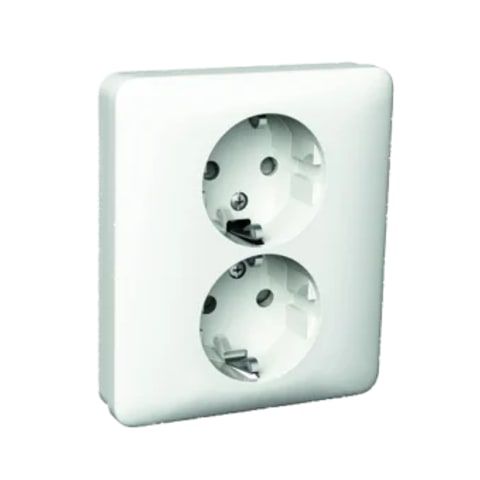
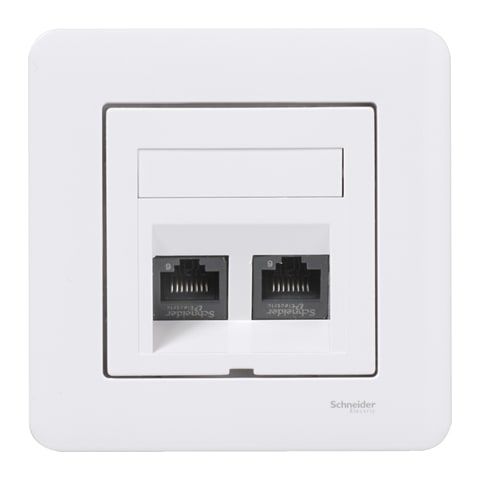
- replace an existing socket for no more than 16 A that sits in a box of its own
- replace an existing switch for no more than 16 A that sits in a box of its own
- assemble extension leads and fit in-line cord switches and plugs
- repair and replace parts in damaged extension leads and appliance leads.
Two conditions apply to everything on the list. You must know how it is done, and it must be possible to check the work properly. Elsäkerhetsverket writes: “If you are the least bit unsure, leave the work to an electrical installation company.”
Anything that connects with a plug in an ordinary socket does not count as permanently connected. So a washing machine, a floor lamp or a smart plug-in adapter is something you plug in yourself.
What is allowed and what is not, in one table
| Job | May you do it yourself? | Bear in mind |
|---|---|---|
| Replace a blown screw-in fuse | Yes | The new one must have the same rated current as the old one |
| Switch a circuit breaker back on | Yes | Find out why it tripped first |
| Replace an existing socket, no more than 16 A | Yes, if you know how | Replace only, not move. Not from unearthed to earthed |
| Replace an existing switch or dimmer, no more than 16 A | Yes, if you know how | The new one must have an equivalent function and connection |
| Replace a ceiling light in a bedroom, living room or hall | Yes | Applies to dry rooms inside the home |
| Replace a permanently connected light fitting in a bathroom or outdoors | No | The exemption only applies to dry spaces indoors |
| Put in a new socket or move a socket | No | It is a change to the fixed installation |
| Replace an unearthed socket with an earthed one | No | All the sockets in the room must be replaced, with a new protective earth run to them |
| Lay underfloor heating or heating cable at 230 V | No | The whole job must be done by an electrical installation company |
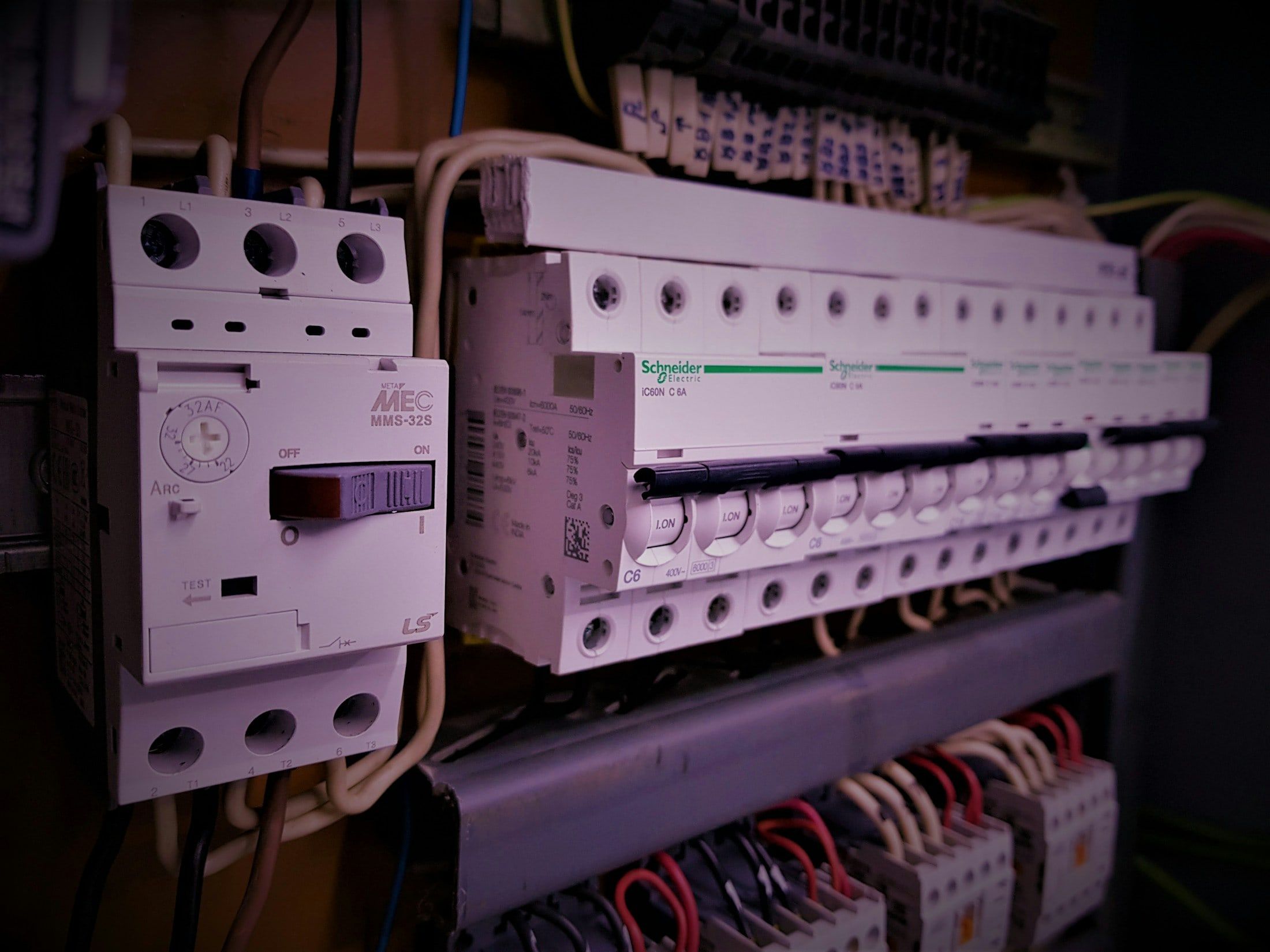
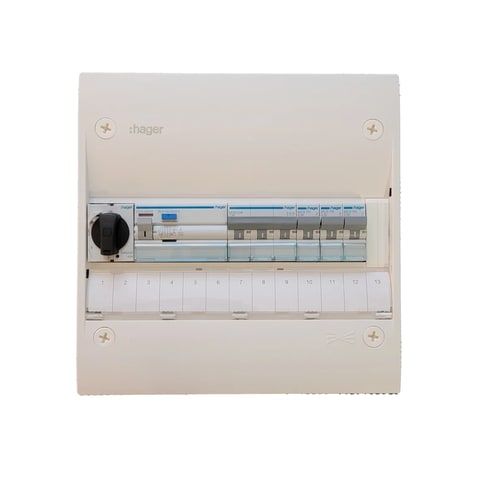
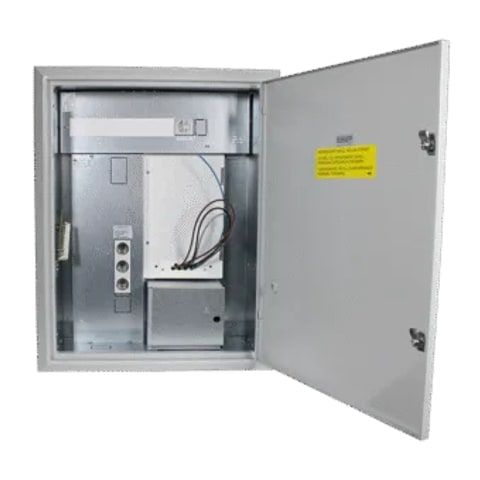
| Fit a residual current device (RCD) or rebuild the consumer unit | No | Replacing a screw-in fuse and switching a circuit breaker back on is allowed |
| Lay electrical cable in the ground | No | Also applies to the conduit the cable lies in |
| Permanently connect a washing machine, fan or heated towel rail | No | With a plug in an existing socket it is fine |
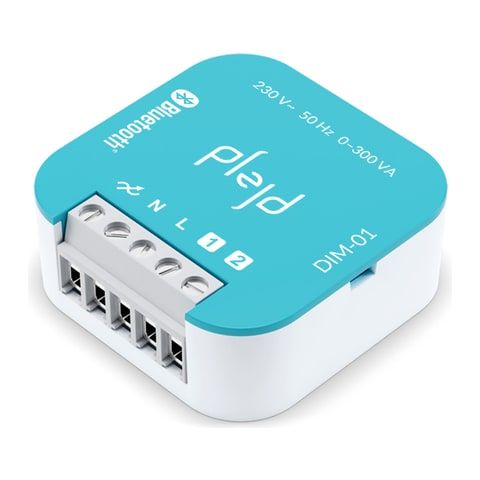
| Install a new dimmer, timer or motion sensor | No | Counts as a new fixed installation |
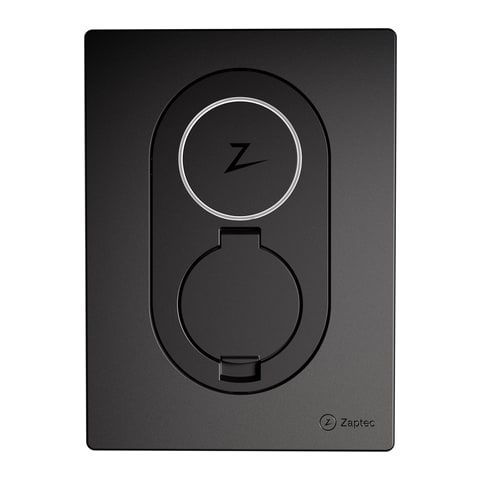
| Install an EV charger (wallbox) | No | Must always be done by an electrical installation company |
| Extra-low voltage lighting with a plug-in transformer | Yes | No more than 50 V, no more than 200 VA and the current limited to no more than 10 A |
Replacing is not the same as moving
The exemptions in the regulation ELSÄK-FS 2017:2 are about replacing something that is already there. On sockets, Elsäkerhetsverket writes: “You may only replace the socket, not move it, and you may only do so if you know how it is to be done.”
These are the limits that are most often missed:
- Moving and adding. A socket that is moved, even a short distance, is a change to the fixed installation. The same applies to an extra socket next to the old one.
- Unearthed to earthed. Putting an earthed socket where there used to be an unearthed one is a change to the installation. An electrical installation company must run a protective earth to it (the conductor that leads current away if there is a fault) and replace all the sockets in the room, because earthed and unearthed sockets may not be mixed in the same room.
- Light fittings. The exemption for light fittings applies to dry spaces with no fire hazard inside the home. Bathrooms and outdoors fall outside it.
- Dimmers. According to Elsäkerhetsverket’s web service Koppla säkert (“connect safely”), you may replace a dimmer with one that has an equivalent function and connection, but not install a new one.
What applies to pucks and other control units behind the switch is described in the article on smart lighting.
The electrician cannot just connect the cable you have run
It is a long-lived misconception that you can do the rough work yourself and let an electrician finish it off. On underfloor heating, Elsäkerhetsverket writes: “Many people also believe that you can lay the cables yourself and then have the installation checked by an electrical installer. But that is not true. The work must be done by a registered electrical installation company.”
The reason is practical. Part of the checking of the underfloor heating has to be done before the floor layer levels the floor with filler or lays the floor covering. An electrical installation company must check its work before it is put into use, and it cannot vouch for cables that someone else has run and that are already hidden in the floor or the wall.
The same goes for help from people you know. An electrician without an authorisation of their own works within their company’s self-inspection programme (egenkontrollprogram, the company’s own routines for making sure the work is done according to the rules and checked) and may not, according to Elsäkerhetsverket, carry out electrical installation work privately. An authorised electrical installer (auktoriserad elinstallatör) may do so, but only within their authorisation and not as a business. Anyone who accepts payment counts as doing it as a business, with or without a company.
What happens if you cross the line
Under the Swedish Electrical Safety Act (elsäkerhetslagen), electrical installation work may only be carried out by an authorised electrical installer or by someone who is covered by an electrical installation company’s self-inspection programme. Anyone who breaks that rule can be sentenced to a fine or imprisonment for at most one year. Elsäkerhetsverket points out that it is an offence even when the work has been done correctly, and that it is subject to public prosecution and is investigated by the police. Minor cases do not lead to liability.
There is also an everyday side to this. As the owner of your home you are the holder of the electrical installation (innehavare) and responsible for it being safe. A poor joint behind a wall cannot be seen. You only notice it when something gets hot.
Do what is allowed the right way
This is roughly how replacing a socket or a switch is done. The order matters.
- Cut the power to the circuit at the consumer unit. A circuit is the sockets and lights that share one fuse. Unscrew the screw-in fuse or switch off the circuit breaker.
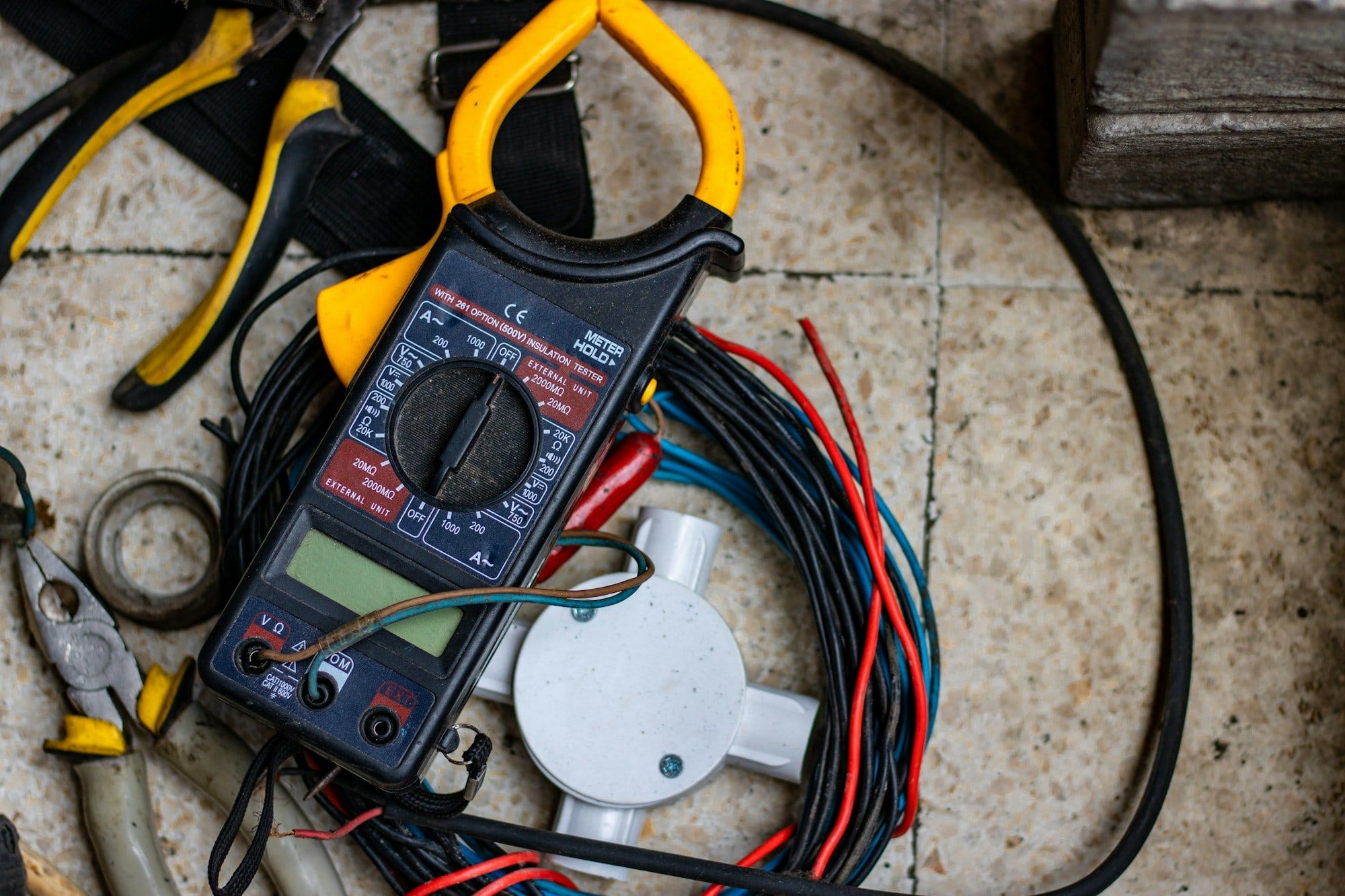
- Use a voltage tester to check that it really is dead before you touch anything.
- Take a photo of how the conductors are connected before you undo them.
- Connect the new part in the same way and tighten the screws properly.
- Put the cover back on before you switch the power on again.
If the wiring does not look the way you expected, or there are more conductors in the box than the new part has room for, stop there. It is then no longer a simple replacement.
When it is time to get in touch
If the job stops at a replacement that you are able and willing to do yourself, you do not need an electrician. If it concerns something on the “No” rows of the table, or you are unsure about the wiring, we do it for you. Replacing an existing flush-mounted earthed double socket costs SEK 388 with us, and a new flush-mounted double socket with up to 7 metres of cable costs SEK 1,720. Materials, installation and VAT are included, a travel charge of SEK 500 is added and the prices apply to a standard installation. All the items are listed under sockets in the price list, and larger jobs are described on the page about electrical installation. If you would first like to check us or another company, we show you how in the article on Elsäkerhetsverket’s register.
Sources
- Elsäkerhetsverket – What electrical work may I do myself? (in Swedish)
- Elsäkerhetsverket's regulations on electrical installation work, ELSÄK-FS 2017:2 (in Swedish)
- The Swedish Electrical Safety Act, Elsäkerhetslag (2016:732) (in Swedish)
- Elsäkerhetsverket – Replacing a socket (in Swedish)
- Elsäkerhetsverket – Installing underfloor heating (in Swedish)
- Elsäkerhetsverket – Koppla säkert, “connect safely” (in Swedish)