



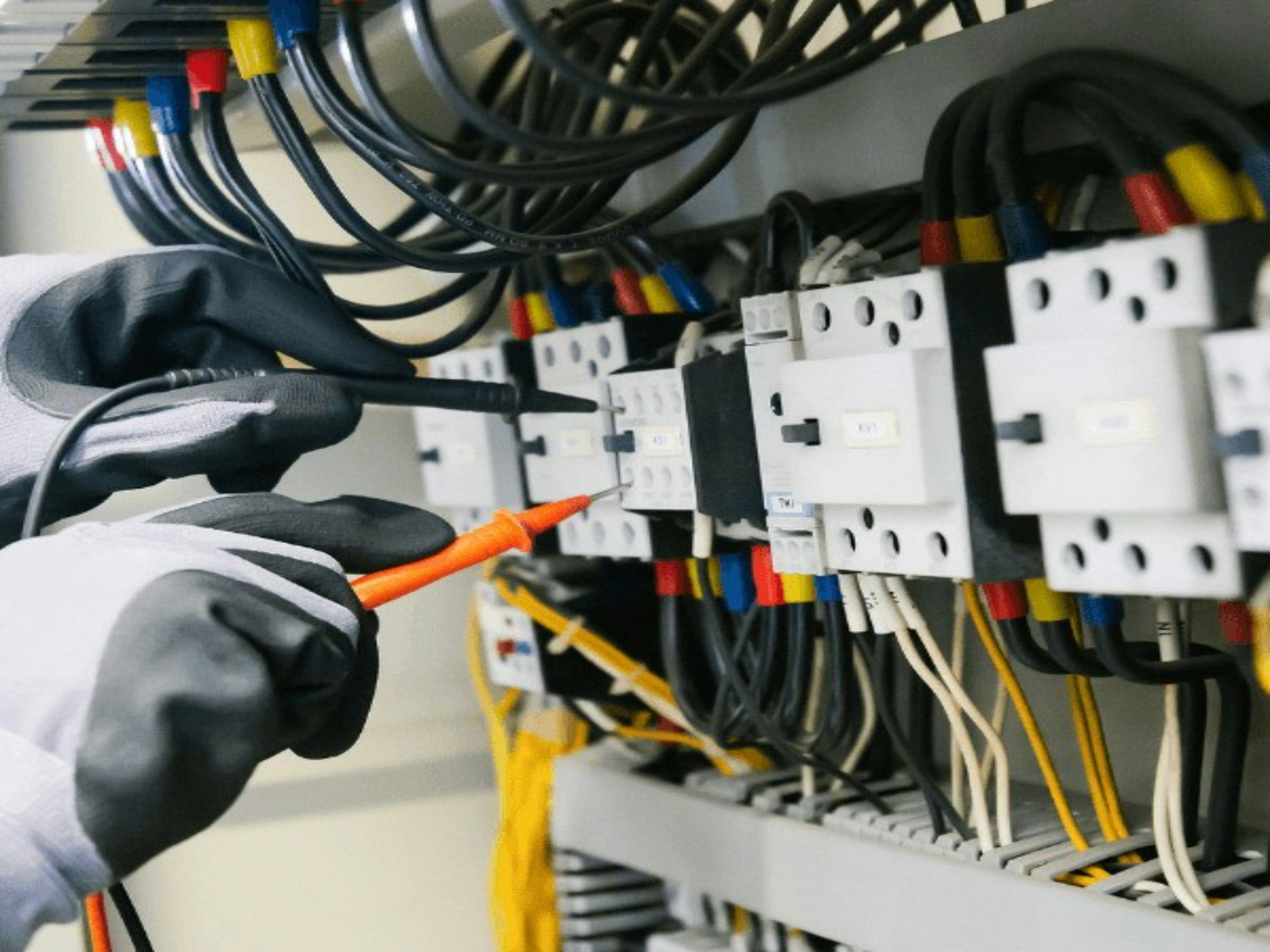
An electrical inspection is not a legal requirement for homes. No law or regulation says that a detached house, a terraced house or a flat must be inspected at intervals of a certain number of years. What the law requires is that you, as the owner of the installation, continuously check that it is safe. An inspection is one way of doing that, and in some situations it is well worth the money.
What the law requires
The requirement is in section 6 of the Swedish Electrical Safety Act (elsäkerhetslagen). The holder of an electrical installation must make sure that it is continuously checked that the installation provides adequate safety against personal injury and damage to property. The holder (innehavare) is whoever owns or uses the installation. In a detached house or a holiday home, that is you as the owner.
The regulation ELSÄK-FS 2022:3 from the Swedish National Electrical Safety Board, Elsäkerhetsverket, says how the checks are to be organised. Scope and interval must be adapted to the installation’s design, age, surrounding environment and use. The regulation has no fixed interval for the electrical installations of buildings.
| Who | What the law requires | What comes on top |
|---|---|---|
| Owner of a detached house, terraced house or holiday home | Continuous checks. The routines do not need to be documented | Elsäkerhetsverket recommends going through the installation at least once a year |
| Tenant-owner of a flat (bostadsrättshavare) | Continuous checks of the part you are responsible for | The association’s statutes (stadgar) decide where the line between you and the association runs |
| Businesses, property owners and tenant-owner associations (bostadsrättsföreningar) | Continuous checks following documented routines that are based on a risk assessment | The holder decides the interval, the method and who does the checking |
| Organisations with requirements in their insurance | Same as the row above | Electrical audit inspection (elrevisionsbesiktning) under the insurance terms |
When an electrical inspection is worth the money
Elsäkerhetsverket writes on its page about buying a house and having the electrics inspected that the authority recommends an electrical inspection at least in two situations: when older houses, built before 1970, change hands, and when a house changes hands and the use of or the load on the electrical installation changes substantially.
You are buying an older house. An investigation that Elsäkerhetsverket carried out in 2019 shows that houses built before 1970 carry higher risks and stand out in the fire statistics, partly because some materials were poorer then. An electrical inspection is as a rule not included in an ordinary pre-purchase survey (överlåtelsebesiktning). From the day you take possession, the installation is your responsibility. The rules on hidden defects apply to electrics too, but there are no special rules for the electrics in particular. So it is better to know before the purchase than to argue afterwards.
The house is going to be used in a new way. An installation that has been enough for one household can be loaded in a completely different way when the house gets new heating or electric car charging, or when more people are going to live there.
You are going to rebuild or extend. Elsäkerhetsverket writes that it can be wise to let the electrical installation company (elinstallationsföretag) inspect the whole installation when it is on site anyway for a renovation or an extension.
You have seen warning signs. What they are is described in the article on signs of electrical faults at home.
Elsäkerhetsverket writes that it is always good to have electrical inspections done, but that it is particularly important in the situations above. In a newer house with no signs of faults, where you go through the installation yourself every year, the need is smaller.
Who inspects and what you should ask about
According to Elsäkerhetsverket, an electrical inspection is carried out by an inspector or an electrical installation company. What is included can differ from one provider to another. So ask about three things before you order:
- what is checked, and whether it is only a visual inspection or whether measurements are also included
- whether you get a written report in which the remarks are ordered by how serious they are
- whether the price for putting the remarks right is given separately.
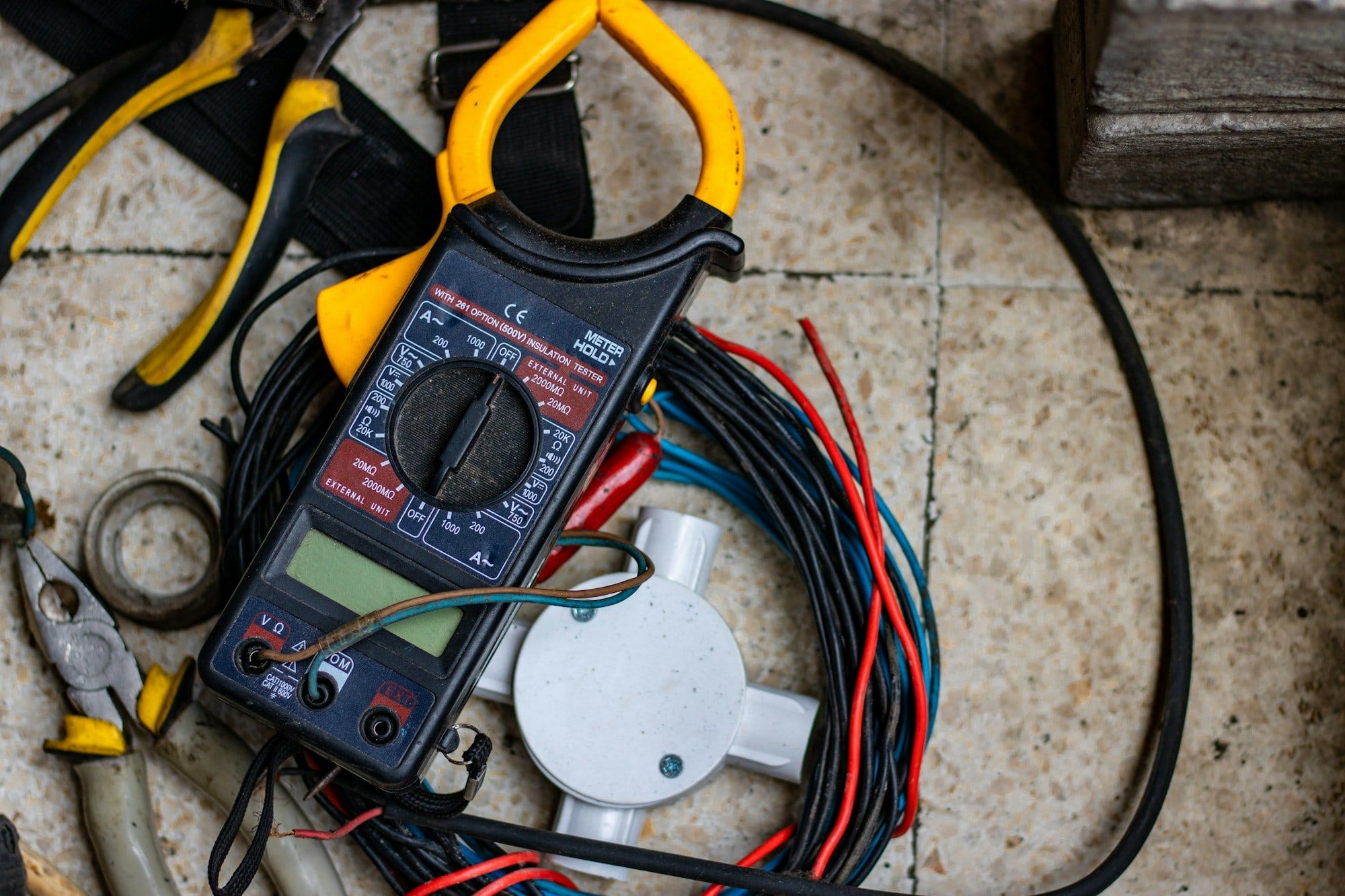
Visual means that the installation is examined by eye. Measurements can be, for example, insulation testing, which shows the condition of the insulation, or thermography, where a thermal camera reveals connections that get warm.
Do not confuse the electrical inspection with the inspection and testing before the installation is put into use. The electrical installation company always does the latter on its own work before it is put into use, and it covers only what the company has installed.
An old installation does not have to be replaced
An inspection report from an older house can be long, and not everything in it has to be a fault. Elsäkerhetsverket writes: “Your electrical installation must meet the requirements that applied when it was installed, and it does not have to be replaced just because it is old.” An old fuse box with screw-in fuses (proppskåp) in good condition may stay where it is, and unearthed sockets do not need to be replaced in rooms that are not being rebuilt. What you rebuild or add on must, however, follow today’s rules.
What has to be put right is the faults. The regulation distinguishes between two levels. Faults and deficiencies that may constitute an immediate danger must be put right at once, or the faulty part must be taken out of use and protected against unintentional use. Other faults must be put right as soon as possible with regard to the risk of harm. A good inspection does that sorting for you.
Electrical audit inspection for businesses and associations
The electrical audit inspection is a requirement from the insurance companies, not from the law. Elektriska Nämnden at Brandskyddsföreningen, the Swedish Fire Protection Association, writes that a notice of inspection means that the installation is subject to mandatory inspection under the insurance companies’ requirements. Which properties are covered and which intervals apply is governed by Elektriska Nämnden’s instructions and by the terms of your own insurance. Read the terms or ask the insurance company.
This is how it works:
- The inspection is carried out by an inspection engineer authorised by Elektriska Nämnden. So an electrical installation company does not carry it out.
- The engineer issues a report.
- The policyholder has 12 weeks from the last day of the inspection period to put right faults and deficiencies.
- An electrical installation company puts the remarks right.
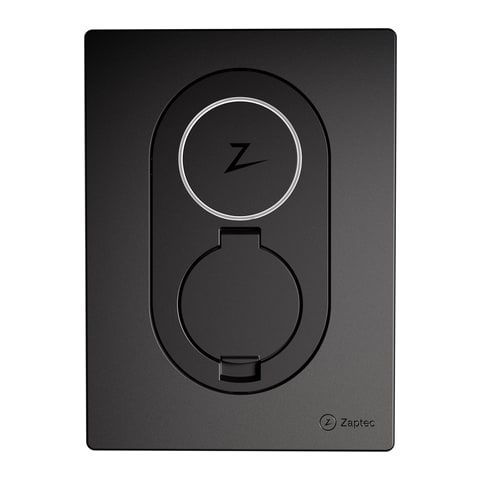
The audit inspection does not replace your own routines. Elsäkerhetsverket writes that the holder probably needs further checks, at shorter intervals, for the risks that the audit inspection does not cover. In a tenant-owner association, the requirement for documented routines applies to the association’s parts, for example shared areas, engine heater posts and EV chargers (wallboxes) that the association is responsible for.
What you check yourself
Between inspections, or instead of them, you do the continuous checks yourself. Elsäkerhetsverket has a checklist for homes to support you. These are the most important things to go through:
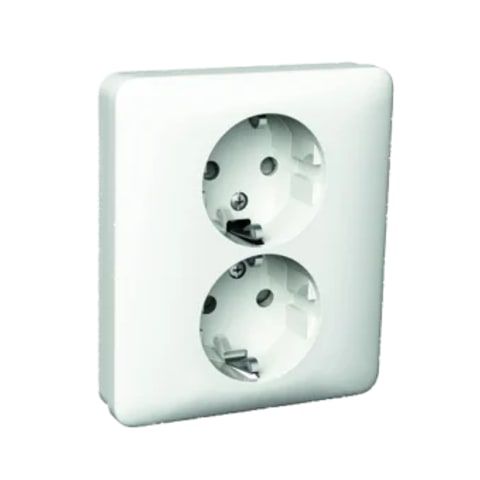
- sockets and switches are intact, without discolouration, and firmly fixed
- leads and extension leads have undamaged insulation
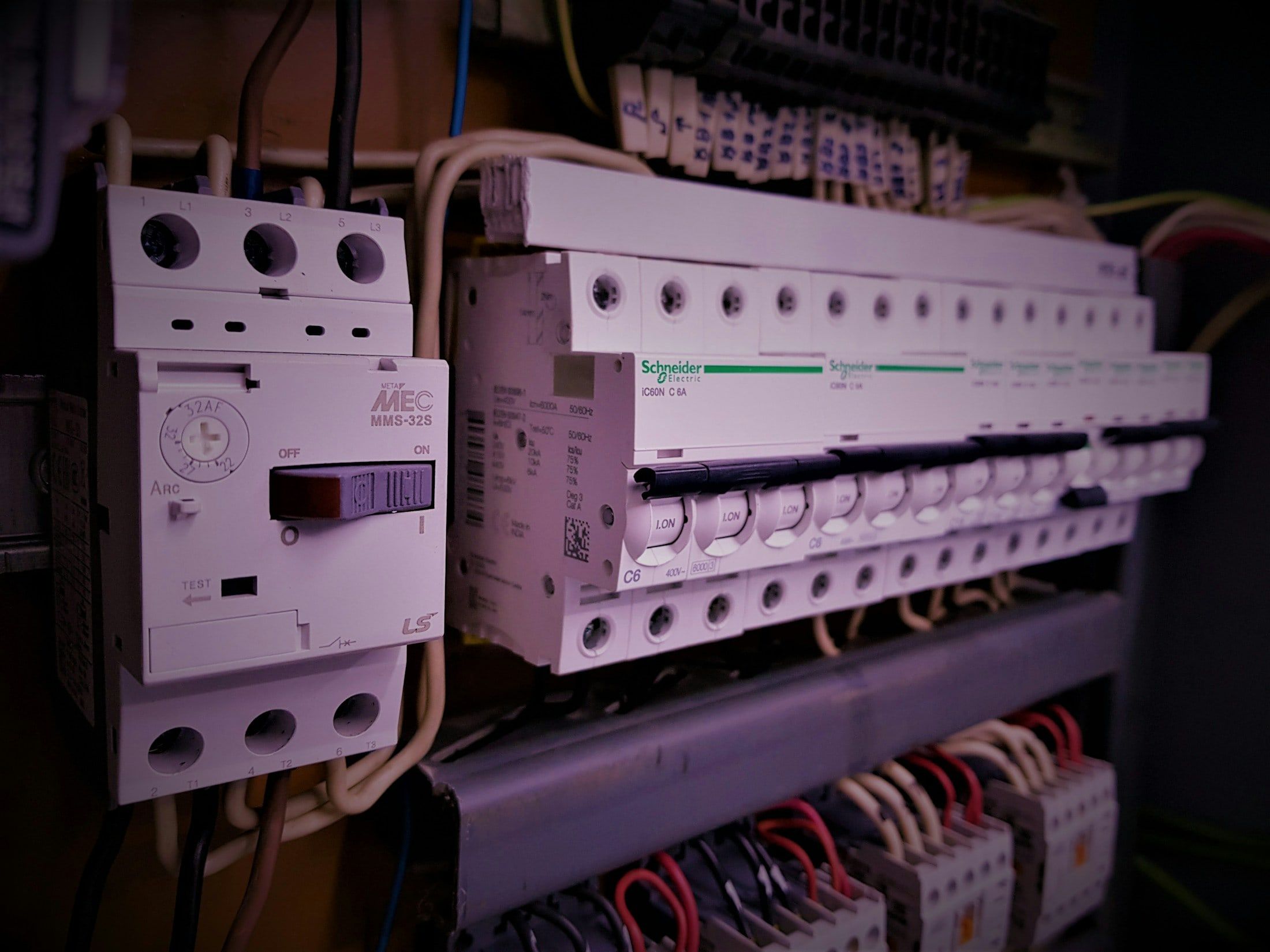
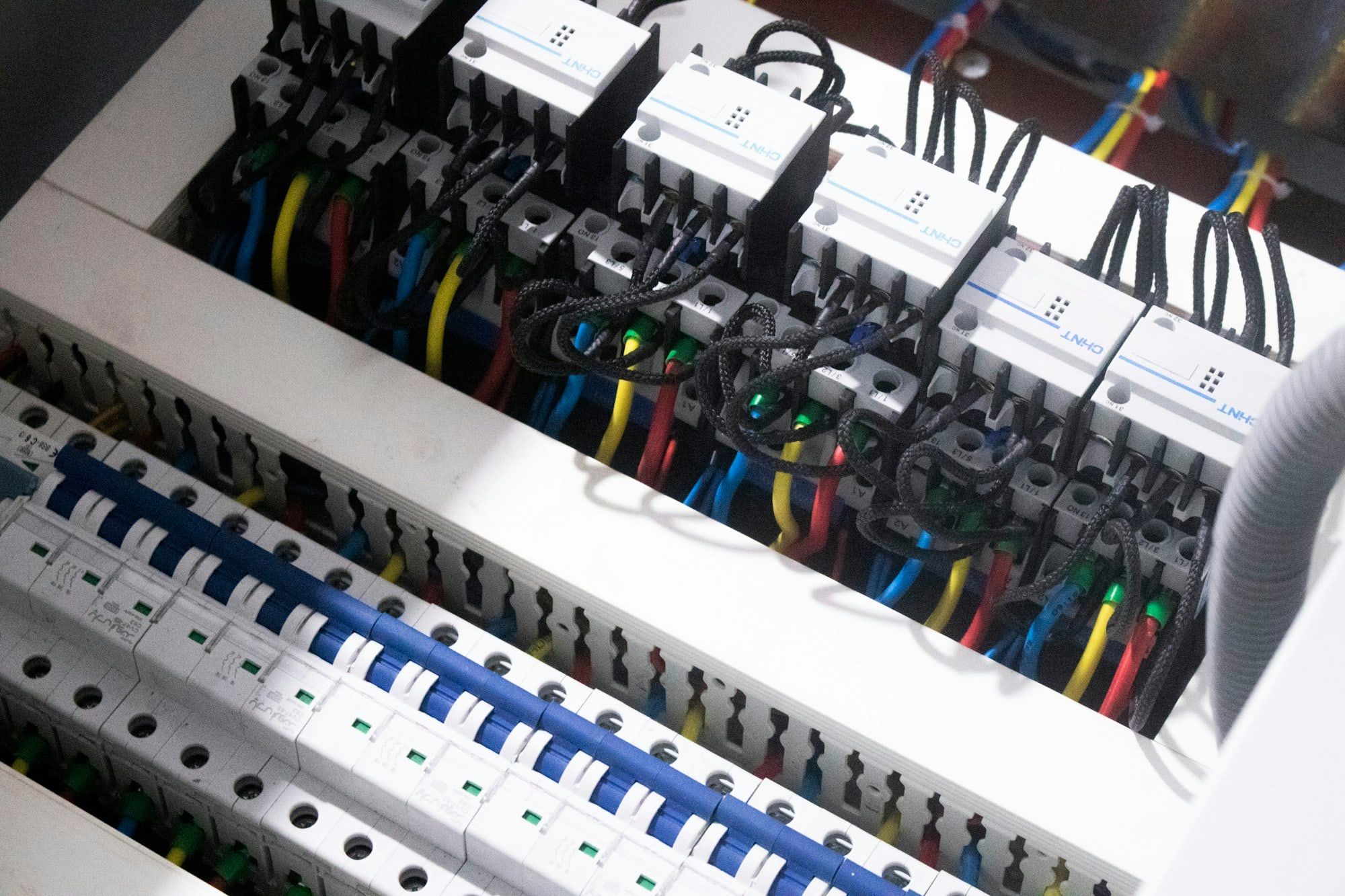
- the fuse carriers (the screw caps that hold the fuses) in a fuse box are not hot
- the fuses do not trip often
- the residual current device (RCD), which cuts the power when current leaks to earth, trips when you press the test button, which you try at least twice a year
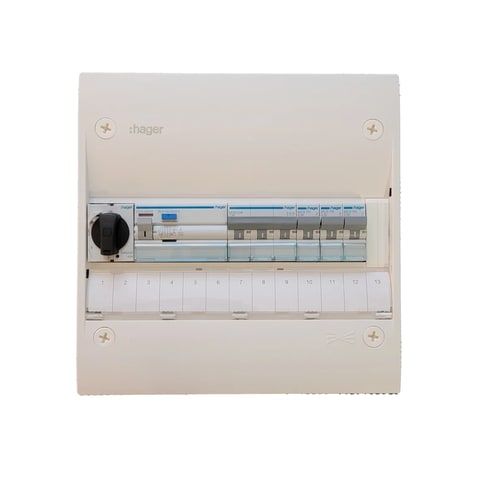
- the circuit chart at the consumer unit is there and is correct.
When to get in touch
If you have a report with remarks, we put them right, and that applies both to homes and to remarks from an electrical audit inspection. Send the report via the page for contact and quote and we will see what needs to be done. If you want a recurring check without having to keep track of it yourself, there is our service plan for SEK 499 a month including VAT. It includes an annual visual inspection, a check of the RCD and a 10 per cent discount on materials. If the review shows that the consumer unit should be replaced, the prices are on the page about replacing the consumer unit.
Sources
- Elsäkerhetsverket – Buying a house and having the electrics inspected (in Swedish)
- Elsäkerhetsverket – Check your electrical installation (in Swedish)
- The Swedish Electrical Safety Act, elsäkerhetslagen (2016:732), section 6 (in Swedish)
- Elsäkerhetsverket's regulations on the holder's checks, ELSÄK-FS 2022:3 (in Swedish)
- Brandskyddsföreningen, Elektriska Nämnden – Electrical audit inspection (in Swedish)
- Elsäkerhetsverket – What applies to electrical inspection of shops? (in Swedish)