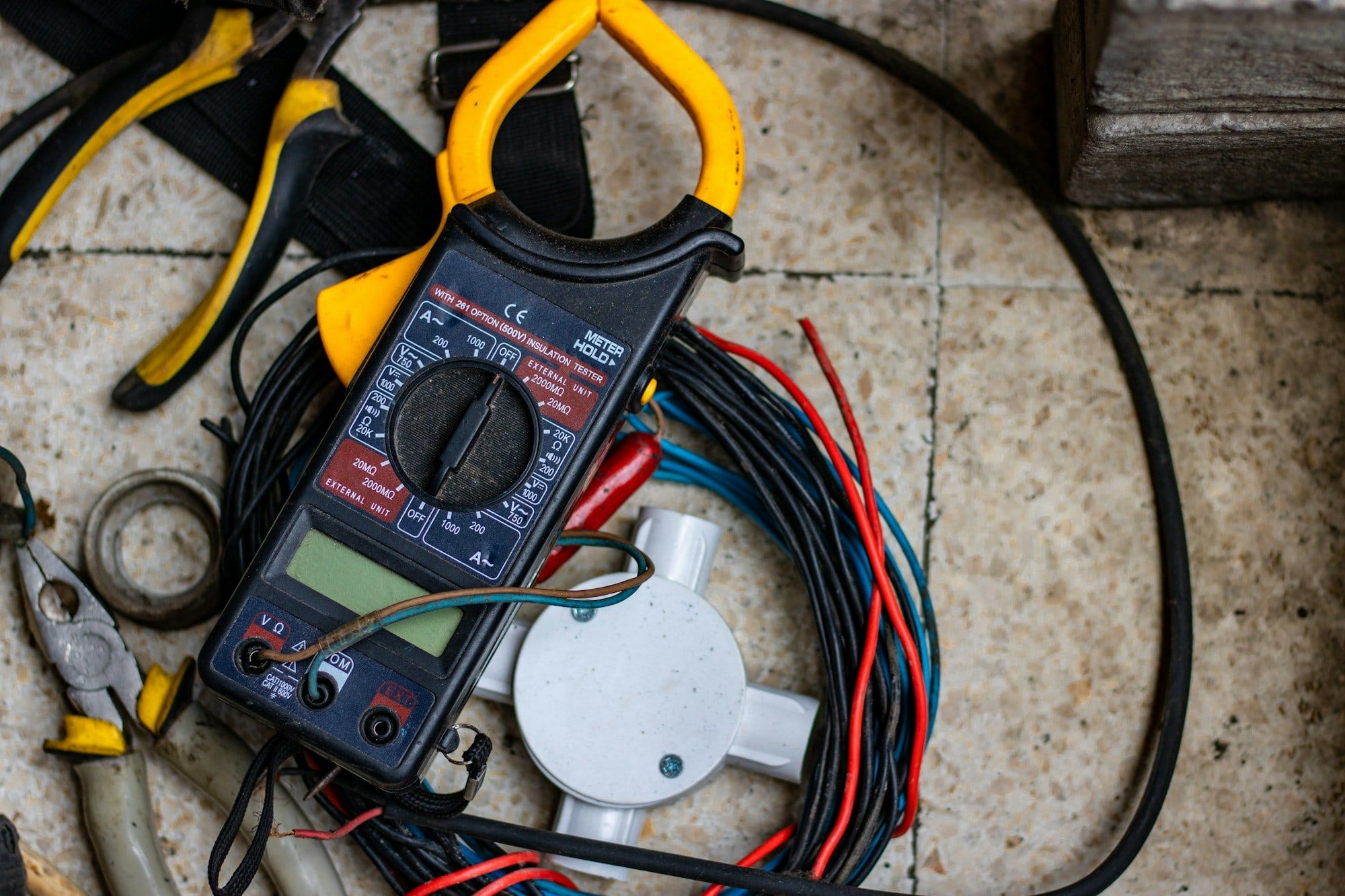

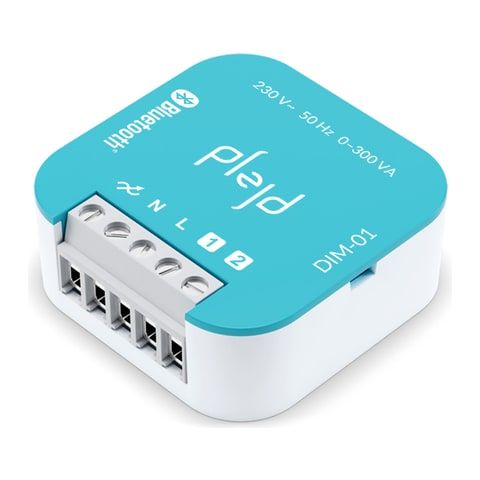
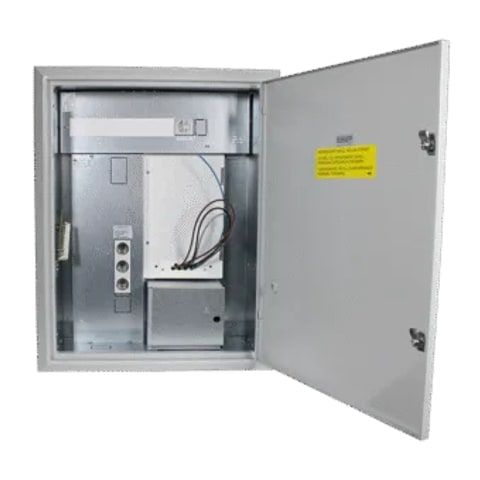


Temporary site power (byggström) is a temporary electricity connection to a building site. You arrange it by engaging an electrical installation company (elinstallationsföretag), which orders the connection from the grid operator (elnätsföretag), the company that owns the local grid, not the company you buy electricity from. The order is made with a pre-notification (föranmälan), a notice the electrical installation company files with the grid operator before the work starts. The site power cabinet, the service cable (the cable from the grid to the cabinet) and the conduit are for you and the electrical installer to provide. Start in good time. At Kraftringen Nät, the electrical installer’s completion notice (färdiganmälan), the notice that the work is finished, must be in no later than 14 days before the day you want the power connected.
What site power is
Byggström, site power, is the trade’s everyday word. Grid operators call it a temporary connection (tillfällig anslutning). Kraftringen Nät explains on its page about temporary connection that it is a connection that temporarily supplies electricity to a building site or to a travelling or short-term activity.
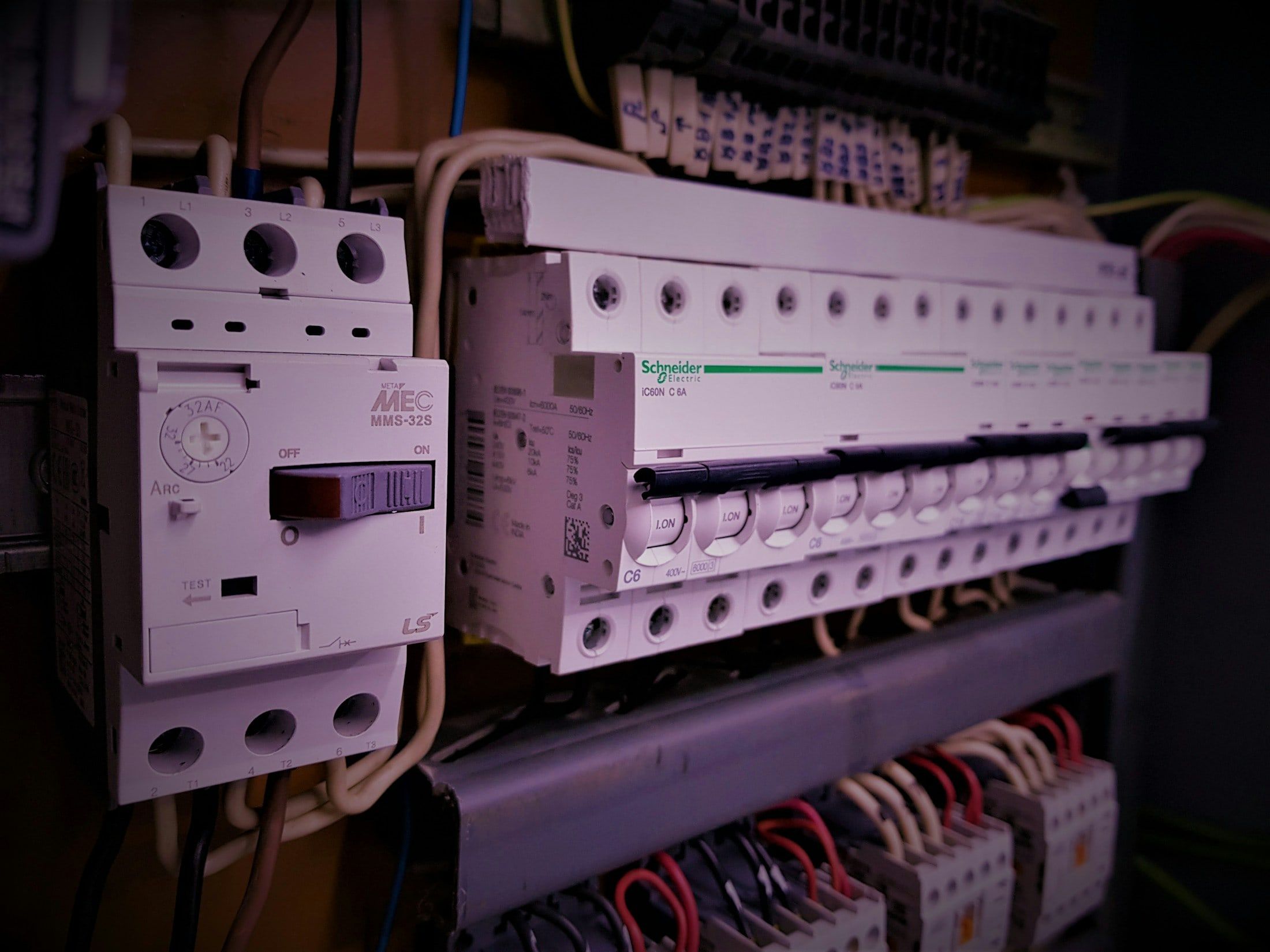
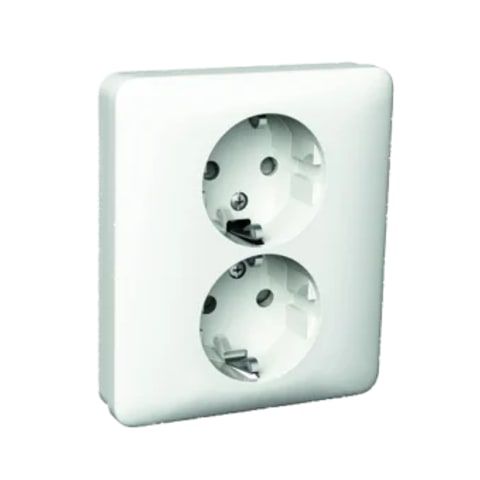
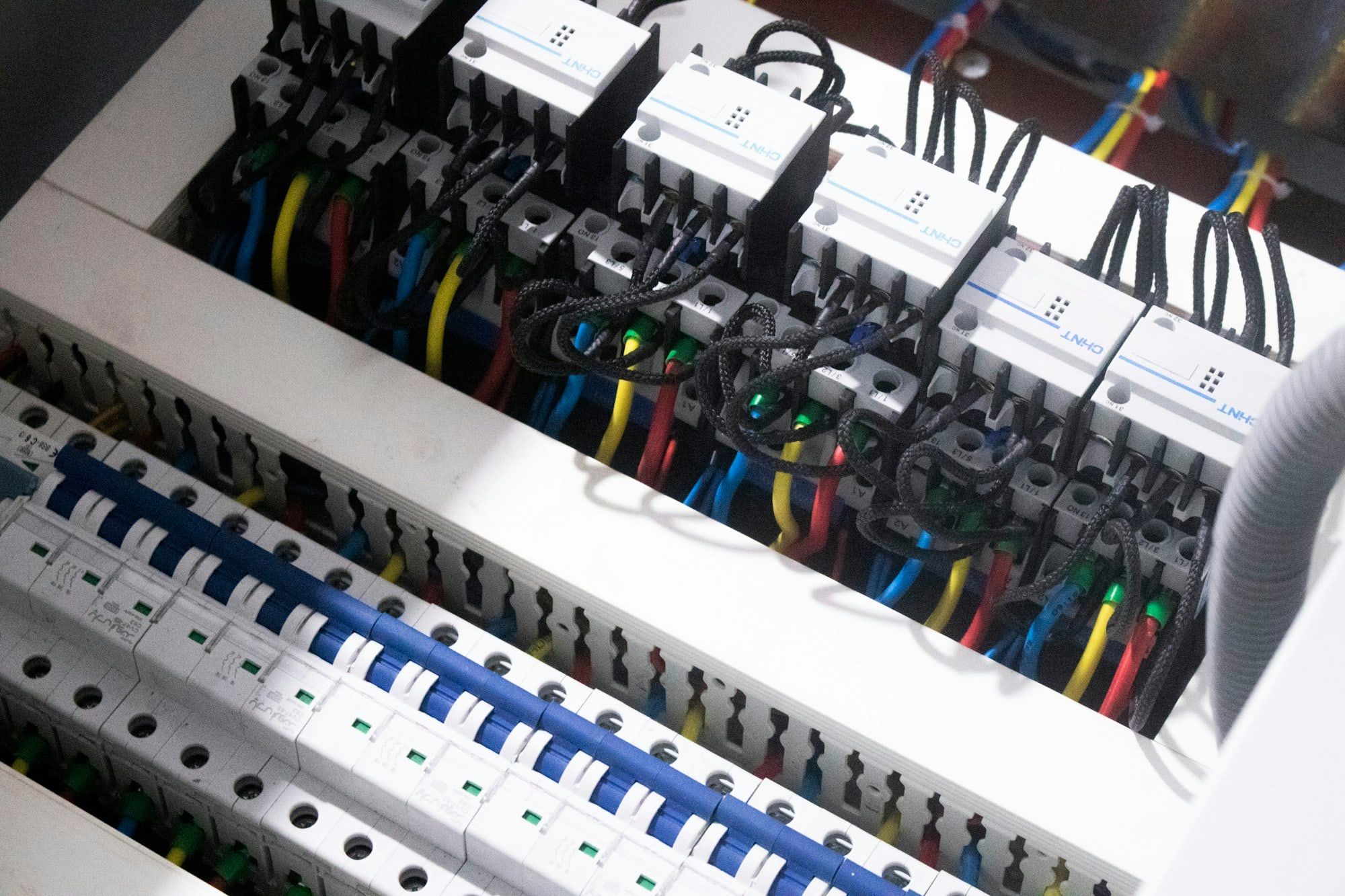
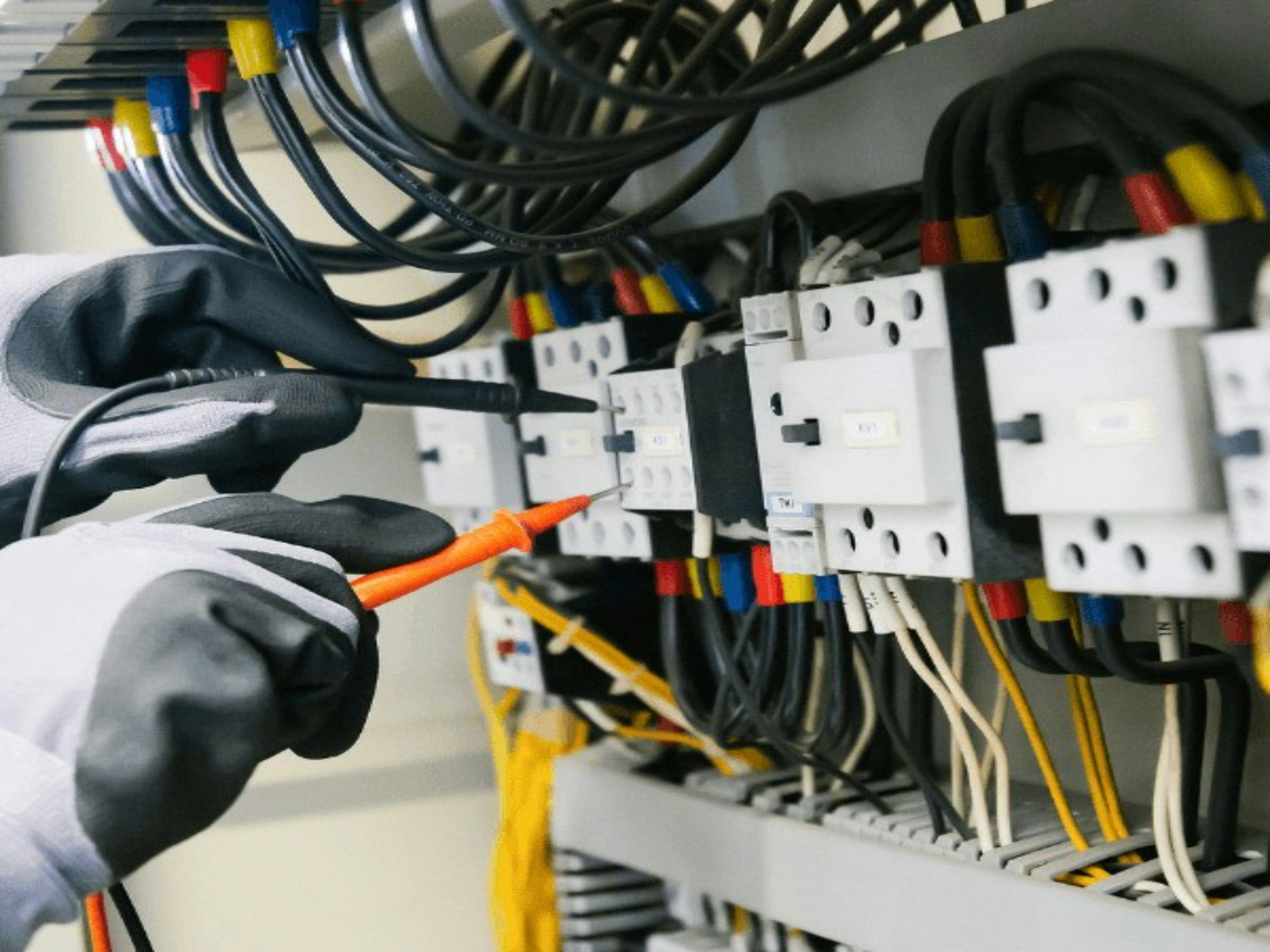
The electricity is taken from a site power cabinet. It is a cabinet for outdoor use with fuses, a residual current device (RCD) and sockets, usually both ordinary sockets and three-phase sockets. An RCD cuts the power when current leaks to earth.
You need site power when the plot has no electricity, or when the house’s own supply is switched off during a major rebuild. For an ordinary renovation the house’s own sockets are usually enough.
How to order, step by step
The steps follow what Kraftringen Nät describes. Other grid operators have their own routines and lead times.
- Work out what you need. Write down what is to be powered: site cabins, drying fans, crane, site saw. That decides the size of the fuse and which sockets the cabinet should have.
- Engage an electrical installation company. You cannot file the pre-notification yourself. Kraftringen Nät only accepts it from electrical installers who are in the register kept by the Swedish National Electrical Safety Board, Elsäkerhetsverket.
- The pre-notification is sent in. It must arrive in good time before the requested connection. Kraftringen Nät writes that pre-notifications are handled in the order they come in.
- Accept the grid operator’s quote. The electrical installer is given consent to start only once you have accepted the quote.
- Cabinet, cable and conduit go in. The electrical installation company sets up the site power cabinet and lays the service cable in conduit.
- Completion notice. At Kraftringen Nät it must be in no later than 14 days before the requested connection. Trelleborgs Energi writes two weeks at the latest.
- Connection. The grid operator connects the supply.
- Disconnection. When the build is finished, a notice is filed that the temporary connection is to be disconnected.
Which grid operator owns the grid depends on where the plot is. In Malmö it is as a rule E.ON, in the town of Lund Kraftringen Nät and in Helsingborg Öresundskraft. We have no verified information on E.ON’s lead times and terms for a temporary connection, so ask for them when the pre-notification is filed.
Who does what?
| Task | Who |
|---|---|
| Deciding where the cabinet goes and how much electricity is needed | You and the electrical installer |
| Pre-notification and completion notice | The electrical installation company |
| Site power cabinet, service cable and conduit | You and the electrical installer |
| Digging the trench | You or your groundworks contractor |
| Laying cable and conduit in the ground | The electrical installation company |
| Connecting the supply to the grid | The grid operator |
| Continuous checks during the build | The holder of the installation |
Elsäkerhetsverket writes in its answer on who may lay cable in the ground that underground electricity cables, and the cable conduits for them, may only be laid by a person who is covered by an electrical installation company’s self-inspection programme (egenkontrollprogram), that is, the company’s own routines for making sure the work is carried out according to the rules and is checked. So you can dig, but not lay the cable.
Safety on site
A temporary installation must be as safe as a permanent one. Elsäkerhetsverket writes on its page about temporary electrical installations that there are special requirements for building sites, and that it is particularly important to protect cables against damage from site vehicles and machines. The law sets no limit on how long an installation may be provisional, but it must be safe the whole time.
The responsibility lies with the holder of the installation (innehavare), the owner or user who is responsible for it. Under the Swedish Electrical Safety Act (elsäkerhetslagen), whoever holds an installation must make sure that it is checked continuously. Elsäkerhetsverket points out that on building sites it is sometimes unclear who that is, because several companies often work on the same site.
This is what you can do yourself:
- Decide who the holder is. Write it into the contracts with the contractors.
- Keep the cables away from traffic. Lay them where vehicles do not drive, or protect them.
- Test the RCD. Press the test button. If the power is not cut, the cabinet must not be used until an electrical installation company has looked at it.
- Take damaged items out of use. A crushed cable or a cracked socket must not be used. Faults that may be an immediate danger must be dealt with straight away.
- Know which jobs are yours. You plug in extension leads and machines with plugs yourself. Everything that is permanently connected is electrical installation work.
According to Elsäkerhetsverket, outdoor sockets must always be earthed, and for new sockets an RCD is required.
What it costs
The cost has three parts: the grid operator’s fee, the site power cabinet and the electrical installation company’s work. These items are in our price list:
| Item in the price list | Price |
|---|---|
| Temporary installation, site power. Pre-notification and completion notice, fitting of gauge pieces and inspection | SEK 666 |
| Garo free-standing meter cabinet 25 A with stand, sockets and RCD for temporary power | SEK 23,908 |
| Garo free-standing meter cabinet 63 A with stand, sockets and RCD for temporary power | SEK 26,676 |
| Installation cable 32 A in underground duct, per metre | SEK 236 |
The prices include materials, installation and VAT. A travel charge of SEK 500 is added, and the prices apply to a standard installation. A few things are good to know:
- The site power item covers pre-notification and completion notice for 16 to 63 A at meter positions in blocks of flats. The gauge pieces are the inserts that decide how large a fuse will fit. The site power cabinet is not included.
- The free-standing meter cabinets include up to 10 metres of underground duct. The 25 A cabinet also includes pre-notification and completion notice. Groundworks are not included.
- A site power cabinet can be bought or hired. Either way it must be connected by an electrical installation company.
- What the grid operator charges for the temporary connection is in their price list. It is not included in our prices, and we state no such amounts here.
The price list also shows prices with the Swedish ROT tax deduction for labour on your home (ROT-avdrag). If you are building new, work with the prices without the deduction, because the Swedish Tax Agency, Skatteverket, writes that you can never get the ROT deduction for building an entirely new home.
Plan the permanent electricity at the same time
Site power is temporary, but several decisions made now will last for decades.
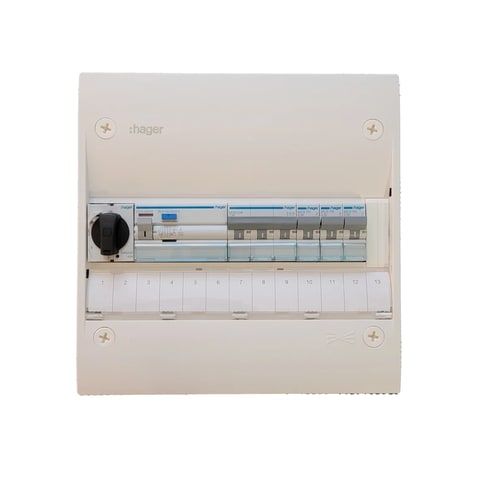
- Where the meter cabinet goes. The meter cabinet is the cabinet that holds the electricity meter and the main fuses. A free-standing meter cabinet stays on the plot. A wall-mounted meter cabinet sits on the house. Decide on the position before the trenches are dug, and you avoid digging twice.
- The permanent connection. It is a separate case with the grid operator, with its own pre-notification. Order it at the same stage.
- Existing pipes and cables. Elsäkerhetsverket refers to the website ledningskollen.se, where you can find out where pipes and cables are buried.
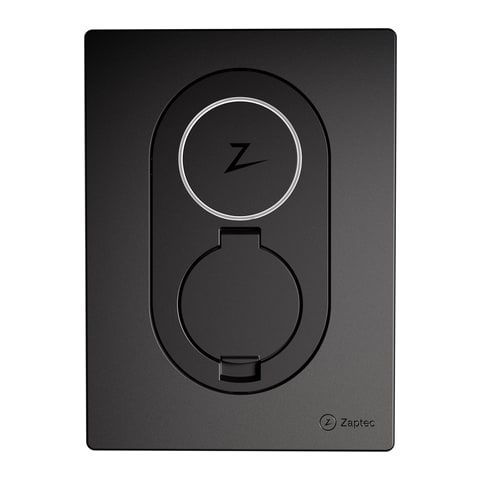
- EV charger (wallbox). Under the Swedish Income Tax Act (inkomstskattelagen), the Swedish tax reduction for green technology (grön teknik) can also apply to a building under construction. Include the charging space in your planning.
How we work with the electrics in a new house is described on the page about electricity in new builds.
When to get in touch
Get in touch when you have a building permit and an approximate date for the start of building. Then the pre-notification has time to go through before the machines arrive. Tell us where the plot is, what is to be powered and whether you want a cabinet that stays after the build. More about how we work for builders and developers is on the page for building projects, and the amounts are in the price list for meter cabinets and main fuses.
Sources
- Kraftringen Nät – Temporary connection (in Swedish)
- Kraftringen Nät – Pre-notification and completion notice (in Swedish)
- Elsäkerhetsverket – Temporary electrical installations (in Swedish)
- The Swedish Electrical Safety Act, Elsäkerhetslag (2016:732), riksdagen.se (in Swedish)
- Elsäkerhetsverket – Who may lay cable in the ground? (in Swedish)
- Elsäkerhetsverket – Safe electricity outdoors (in Swedish)
- Elsäkerhetsverket – Building and renovating (in Swedish)
- Trelleborgs Energi – Pre-notification and completion notice (in Swedish)
- Skatteverket – How the ROT deduction works (in Swedish)